honzen plush toy


Why Plush Toys Spark Static in Fall & Winter? Fabric Choice Makes All the Difference
Views:105
Update time:2026-07-03
Why Plush Toys Spark Static in Fall & Winter? Fabric Choice Makes All the Difference
If you love snuggling plush dolls and throw pillows once the cold seasons roll around, you’ve definitely been driven crazy by static electricity. No exaggeration at all—when the air gets dry, touching your plush toys or hugging them to sleep will set off constant crackling zaps. One touch and you get a sharp, tingling shock; skittish people even jump out of fright from the sudden jolt. On top of that, static makes the fabric cling to dust and pet fur nonstop. No matter how hard you pat it clean, the toy stays dull and dusty, looking worn out way too soon.
I used to think all plush items build up static in fall and winter. I blamed dry weather entirely, figuring it was unavoidable. I’d just put up with it or spray anti-static spray every now and then for temporary relief. But after testing dozens of toys and falling for cheap picks time and again, I realized dry air isn’t the only culprit. The fabric you pick is what truly controls how much static builds up. Grab the wrong material, and you’ll get shocked constantly all winter long. Pick the right one, and barely any static pops up even in super dry weather—the gap is night and day.
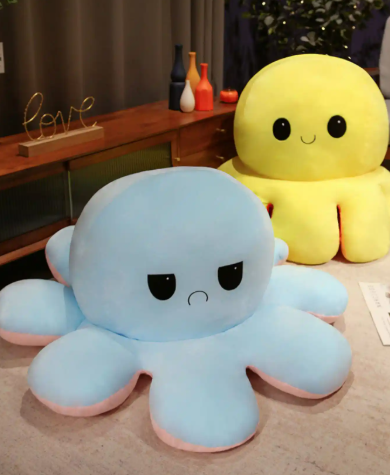
I practically live with plush toys and cushions, so I know this topic inside out. I’ve tried nearly every style on the market. Some stay smooth and static-free all winter, soft to the touch with no annoying zaps. Meanwhile, cheap budget dolls turn into “electric shock hazards” once the seasons change. They shock your hands nonstop, trap dust from all over the house, and are such a hassle to clean. Today I’ll break down exactly what causes plush static, plus the best fabrics for cold weather so you steer clear of static-prone materials entirely.
First, let’s cover why static gets so bad in cooler months. Simply put, low humidity in fall and winter leaves little moisture in the air, so electric charge built up from friction can’t dissipate easily—that’s the basic trigger. But why do some toys spark like crazy while others stay totally fine under the same conditions and usage frequency? It all boils down to fabric material and weaving quality. Lots of low-cost fabrics are naturally prone to static, with zero anti-static finishing during production.
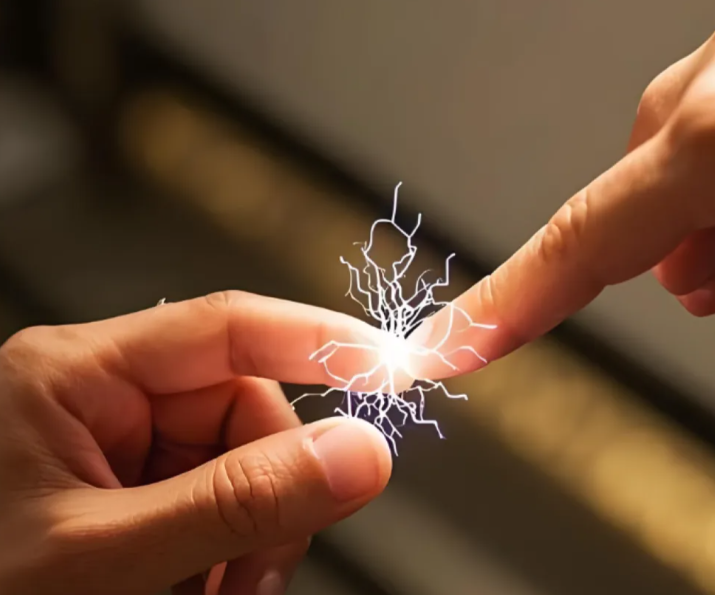
Nearly all cheap viral plush toys use basic short-pile pure polyester fabric, the absolute worst material for static. It costs next to nothing, loosely woven with coarse, dry fibers that conduct electricity terribly. Every hug, squeeze or rub lets electric charge pile up on the surface with nowhere to go. Pair that with dry winter air, and tiny friction creates massive static. It shocks your hands, attracts dust, and dries out your skin if you sleep holding it, leaving you itchy and uncomfortable.
Worse yet, small unregulated factories cut corners by skipping one critical production step: anti-static conditioner treatment. Quality plush fabric made for cold weather gets soaked in anti-static softeners before shipping to drain static buildup ahead of time. Cheap fabrics skip this process entirely, staying dry and insulating, which makes static issues way worse. That’s why budget plush toys are so unpleasant to use in winter.
I saw a crystal-clear contrast firsthand between cheap short-pile dolls from live streams and certified baby-safe long-pile plush. The cheap ones zap you every single touch, always coated in fuzzy dust no matter how often you wipe them—dust comes right back the next day. High-grade fabric treated for anti-static stays smooth and dust-free even after minutes of constant squeezing, zero crackling shocks and super easy to maintain.
A lot of people don’t know two more fabric types to avoid at all costs for winter use, as they generate tons of static. First, rough blended fleece and bubble fleece with uneven fiber lengths; high friction makes charge pile up instantly. Second, unsoftened brushed fleece with stiff, dry surface fibers. These not only spark static nonstop but also shed fuzz and pill up, doubling your troubles. These two fabric groups only work for damp spring and summer days, totally unsuitable for dry cold seasons.
Here are top low-static plush fabrics perfect for fall and winter, safe to pick blindly. Top pick: high-density soft milk fleece and cloud fleece. Long, sleek tightly woven fibers come pre-treated with anti-static softeners, low friction and hard to hold electric charge. They feel warm and skin-friendly for bedtime snuggling with almost no static. Next up: faux rabbit fur and super soft crystal velvet. Fine smooth fibers hold steady conductivity, stay dust-free and static-resistant in dry air with great durability.
Besides fabric selection, these simple daily tricks cut static even further. Avoid squeezing or rubbing plush roughly in winter to limit friction charging. Boost indoor humidity with a humidifier or open water basin to fight dryness. Wipe toys regularly with a slightly damp towel to wipe dust and neutralize surface static charge. Skip high-heat dryer cycles, which harden and dry out fibers and worsen static buildup.
After years of collecting plush toys, my biggest takeaway: looks and softness come second in winter use. Anti-static performance, skin safety and dust resistance matter most. Stop blaming dry weather alone—most static trouble starts with picking the wrong fabric upfront. Cheap fabric saves money at first but leaves you stuck with constant static, dust buildup and irritated dry skin, not worth the savings at all.
To wrap up: if you want to beat plush static this winter for good, skip random quick fixes and fix the root cause with proper fabric choice. Stick to premium long-pile fabric with official anti-static finishing, stay away from cheap short-pile and rough blended fleece. You’ll ditch annoying static zaps, keep your toys smooth and clean long-term, and enjoy cozy, worry-free snuggles all season long.
Related News
Read More >>
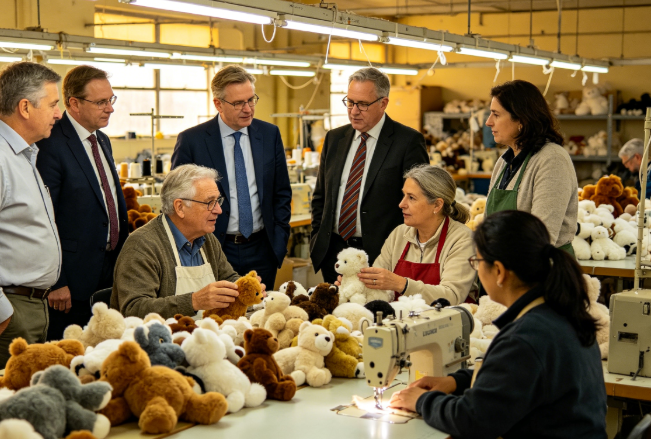 Exclusive Design Models, Plush Toys Reject One-Size-Fits-All
2026-07-21
Exclusive Design Models, Plush Toys Reject One-Size-Fits-All
In the pl
 Winter Soft Treasure, Plush Toys Warm Every Moment
2026-07-17
Winter Soft Treasure, Plush Toys Warm Every Moment
The romance of wint
 Long-pile plush toys trap dirt easily – Practical cleaning hacks for moms Every parent of young kids knows exactly how it is.
2026-07-14
Long-pile plush toys trap dirt easily – Practical cleaning hacks for m
 Frequent Failures in Smart Talking Plush Toys? Insider Guide on Sound Module Selection & Pitfall Avoidance
2026-07-13
were normal wear and tear. After testing over a dozen plush toys at di