honzen plush toy


Why Are Niche Cozy Plushies So Expensive? Breakdown of Material Costs
Views:104
Update time:2026-07-04
Why Are Niche Cozy Plushies So Expensive? Breakdown of Material Costs
Anyone who collects plush toys has noticed a weird contrast: you can grab mass-market viral plushies for just tens of bucks on live streams, but those premium, soft, comforting indie plush toys cost a fortune. A tiny keychain plush easily runs you over $10, and bigger pillows or full-sized dolls go for $100 to several hundred dollars straight away. Most people instantly think small brands are ripping customers off—isn’t it just fabric stuffed with cotton? Why mark it up that high? I used to think the exact same thing, convinced pricey niche plushies were just selling vibes and cute looks, total money traps.
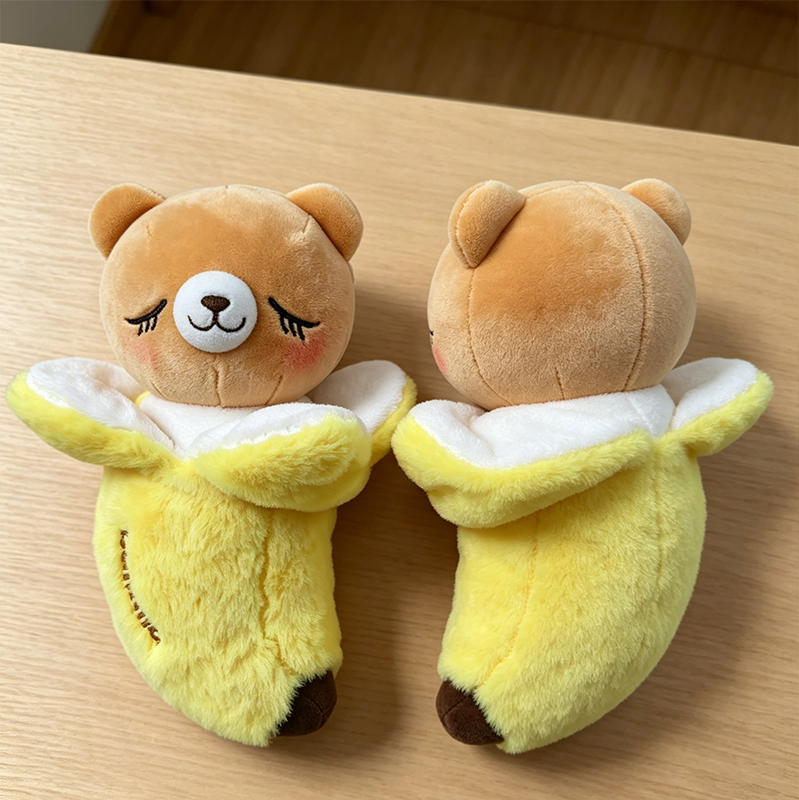
That mindset flipped completely after I got into the indie doll community, bought over a dozen cozy original plushies, and dug into raw material sourcing and factory production secrets. Honestly, niche comforting plushies aren’t overpriced for no reason. Their fabric, craftsmanship, and quality control are worlds apart from mass-produced cheap versions. Budget viral plushies compete by selling huge volumes at rock-bottom prices, while niche cozy ones compete on texture and tiny details. Let me break down their actual material costs plainly, and you’ll see the price tag is totally justified, no empty markup at all.
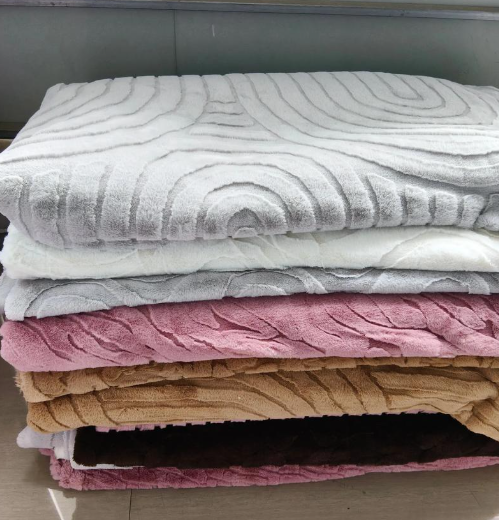
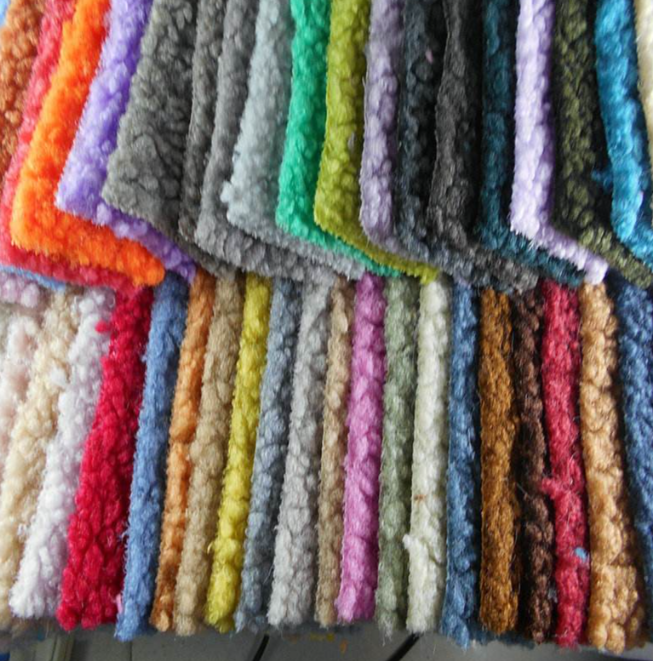
First and foremost, fabric selection is where the cost gap starts to blow wide open. Generic mass-produced viral plushies use bulk standard synthetic fabric bought in bulk super cheaply—you can cut enough cloth for an entire doll for just a few dollars. It looks fine at first glance, but the fibers feel rough, build static easily, shed fur constantly, and stiffen up fast, with zero strict quality checks during sourcing. Niche comfort plushies are made to feel ultra-soft and calming against skin, so creators pick custom high-density skin-friendly fabric exclusively. Many independent designers and small studios even source rare imported plush fabric, heavy-weight cloud fleece, and ultra-soft faux lamb’s wool.
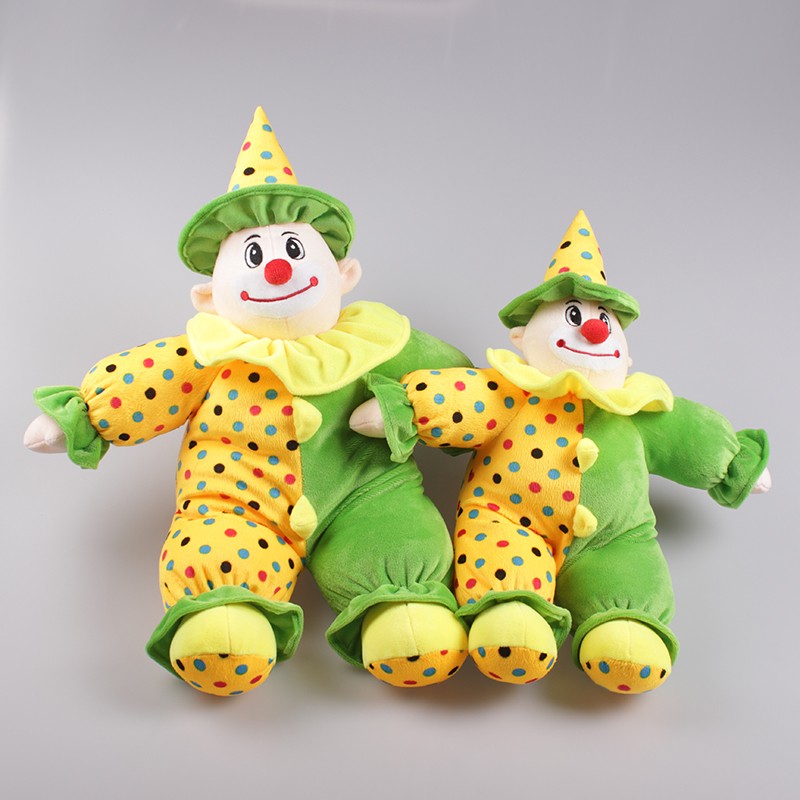
This high-end fabric is never mass-produced, comes with a steep wholesale price tag, and requires workers to manually toss out flawed pieces. Regular bulk fabric costs a few thousand dollars per ton, but premium custom soft fleece doubles that price right off the bat, plus massive material waste. Any piece with slight color mismatch, uneven pile, or messed-up texture gets thrown out immediately and never used for finished products. Mass factory cheap toys keep fabric with minor flaws and ship them anyway—that’s why niche plushies stay smooth and comfy after endless cuddles, while cheap ones turn scratchy and rigid fast. Most folks can’t spot fabric differences at a touch, but snuggling them long-term? The comfort level is night and day.
Next up: filling cotton, a detail most shoppers overlook entirely. Cheap plushies get stuffed with recycled shredded cotton and secondhand regenerated filler that costs next to nothing. Factories just jam enough filler to shape the toy, not caring about fluffiness or even distribution. Niche cozy plushies use sterile high-resilience pearl cotton and imported down alternative filling to stay squishy, bouncy, and perfectly rounded. Every single doll has a strict weight standard for stuffing.
I’ve tested both side by side: budget plushies have lumpy stuffing, puffy in some spots and hollow in others, collapsing and clumping after a few squeezes. Indie plushies get layered, evenly packed filling, then fluffed and shaped by hand repeatedly to lock in uniform softness everywhere—they never flatten out and bounce right back every time you squeeze. Top-tier filling costs three to four times more than recycled junk cotton, and add labor hours for hand shaping. Just the inner stuffing alone costs more than the total production cost of a cheap mass plush. That dense, premium filling keeps niche dolls fluffy and soothing for years, never looking worn out quickly.
Hidden cost number three: hand craftsmanship and extremely high defect discard rates that no buyer sees. Mass-produced viral plushies are sewn entirely by machine assembly lines, cranking out one toy every few minutes with near-zero waste. Most fine details on niche comfort plushies can’t be done by machines, so small-batch pieces rely fully on hand stitching, manual trimming loose fur, and hand sculpting the final shape.
Take simple embroidered facial features and edge stitching for example: factory toys use automatic machine sewing and ship them no matter misaligned details. Every niche plush gets hand alignment for facial proportions, trimming stray fuzz, and reinforced stitching. Any piece with lopsided features, uneven seams, or messy pile gets scrapped and can’t be sold. In this industry, niche plush discard rates dwarf mass goods—two or three out of every ten handmade pieces get rejected for tiny imperfections. The loss from scrapped toys gets rolled into the final retail price for sellable stock, another major reason these plush cost more. Two toys that look identical on the surface have wildly different labor costs you’d never guess.
Another underrated expense: original design fees and safety compliance costs. Cheap knockoff plush copy popular molds and designs directly, zero design investment needed—they rip off trending doll shapes with no R&D spending whatsoever. Every niche cozy plush is 100% original work by independent designers: starting from rough sketches, sample making, dozens of rounds of revision, and texture testing, burning tons of time and cash upfront. Just tweaking prototypes to nail the perfect soft feel needs over ten rounds of adjustments, all upfront non-refundable costs.
Plus, nearly all original niche brands stick to eco-friendly dyeing, formaldehyde-free production, and full safety certification testing. They never skip color fastness treatment, sanitizing, or anti-static coating to cut corners, meeting strict safety standards safe enough for bedtime snuggles and young kids. Low-cost bulk toys skip these safety steps to undercut competitors, with zero safety guarantees for users.
Here’s my honest take after years of collecting plushies: I once swore niche plush were overpriced and budget viral ones offered better value. Over time I realized cheap plush are disposable items—they go lumpy, shed fur, deform in a month or two, forcing constant replacements. Well-made niche comfort plush with premium materials and careful craftsmanship last years with proper care, keeping their soft shape and texture nearly untouched.
Their higher price isn’t inflated marketing markup; it pays for top-grade fabric, meticulous handwork, original creative design, and zero-tolerance quality checks. Grab a cheap mass plush if you just want a temporary decor piece. But if you want a long-term cuddle buddy, soothing texture, non-toxic safe material and long-lasting quality, niche original plush are absolutely worth every penny. Once you understand the full breakdown of production costs, you’ll see it’s no scam—just classic quality matching price.
Related News
Read More >>
 Exclusive Design Models, Plush Toys Reject One-Size-Fits-All
2026-07-21
Exclusive Design Models, Plush Toys Reject One-Size-Fits-All
In the pl
 Winter Soft Treasure, Plush Toys Warm Every Moment
2026-07-17
Winter Soft Treasure, Plush Toys Warm Every Moment
The romance of wint
 Long-pile plush toys trap dirt easily – Practical cleaning hacks for moms Every parent of young kids knows exactly how it is.
2026-07-14
Long-pile plush toys trap dirt easily – Practical cleaning hacks for m
 Frequent Failures in Smart Talking Plush Toys? Insider Guide on Sound Module Selection & Pitfall Avoidance
2026-07-13
were normal wear and tear. After testing over a dozen plush toys at di