

Frequent Failures in Smart Talking Plush Toys? Insider Guide on Sound Module Selection & Pitfall Avoidance
Frequent Failures in Smart Talking Plush Toys? Insider Guide on Sound Module Selection & Pitfall Avoidance
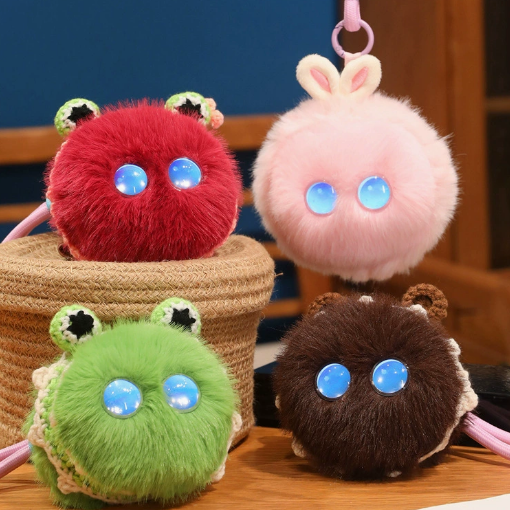
Smart interactive plush t oys with built-in voice functions have gained immense popularity recently. Whether used as educational toys for kids or stress-relief companions for adults, these talking, singing, sensor-activated plushies deliver far more fun than ordinary static stuffed animals.
My family hopped on the trend and bought several voice-enabled plush items, including viral repeat-everything dolls and early education interactive stuffed toys. They were incredibly entertaining at first, bringing loads of novelty. Yet before long, malfunctions started popping up one after another: static noise, audio stuttering, failed sensor triggering, sudden loss of sound, and even random unintended playback. Broken and irreparable, they ended up abandoned in storage, which was extremely frustrating.
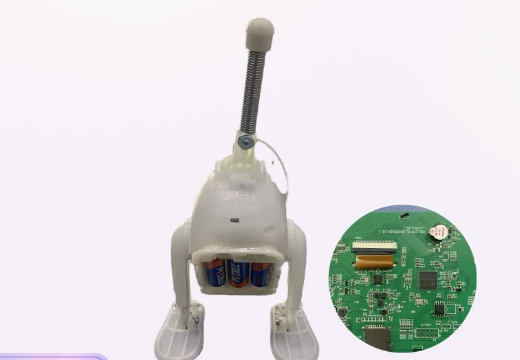
Initially, I assumed voice-activated plush toys were inherently fragile; electronic modules simply wore out easily, and frequent breakdowns were normal wear and tear. After testing over a dozen plush toys at different price ranges and consulting a friend working in toy OEM manufacturing, I finally uncovered the truth: most recurring faults are not caused by improper use. They stem from shoddy, cost-cutting internal sound modules. Low-grade refurbished modules suffer terrible factory quality control, with built-in defects right out of production. Short service lives are standard for these products. Choosing a qualified sound module is the key to steering clear of all troubles. Today I am sharing practical selection tips accumulated from real testing, easy for anyone to understand.
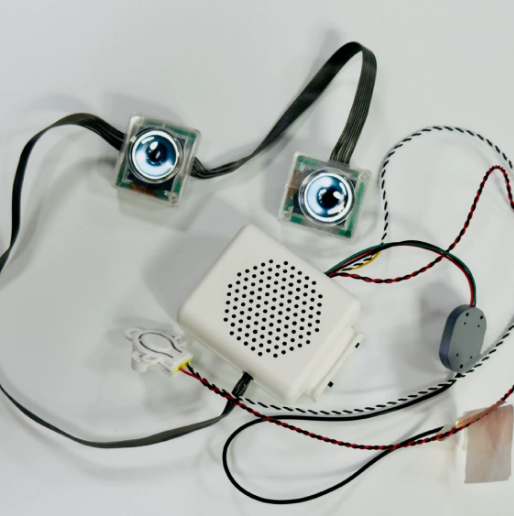
Most shoppers only focus on appearance, built-in audio content and pricing when purchasing voice plush toys, completely ignoring the core component — the sound module. This is the biggest buying mistake. The plush exterior is merely casing; the sound module serves as the brain of the entire talking plush, determining audio quality, sensor sensitivity, service life and failure rate. Those ultra-cheap plush toys priced at 20–30 USD equivalent rely entirely on recycled second-hand modules or loosely assembled defective units. Low costs come at the price of countless hidden defects, explaining their high malfunction rates.
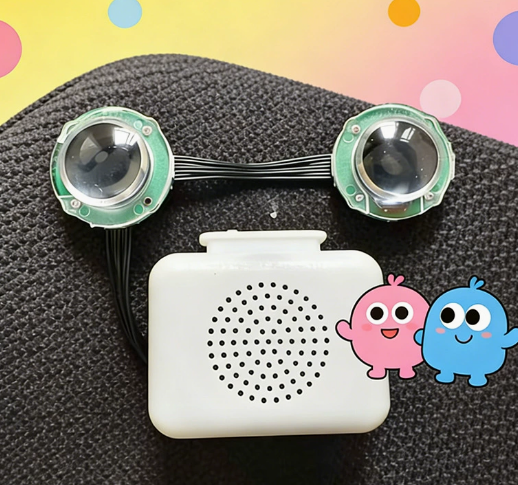
I have sorted out the most typical issues triggered by inferior sound modules, problems many consumers must have encountered. First, severe background static and current noise. Audio sounds muddy and raspy, accompanied by persistent buzzing interference, making voices and melodies harsh and unclear. Second, unreliable touch sensors: no response when patted or squeezed, while sometimes the plush randomly activates playback without any touch — it can be startling when it goes off suddenly in the middle of the night. Another widespread headache is abysmal battery performance: fully charged power drains within minutes. Worse still, risks such as overheating during charging and electric leakage emerge, creating serious safety hazards.
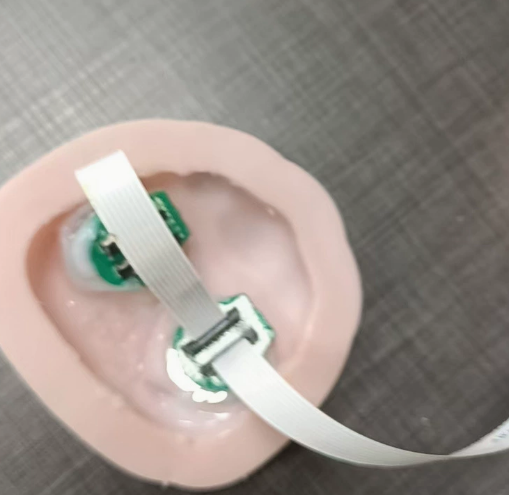
Why do cheap modules break so readily? The root cause lies in compromised raw materials and sloppy production processes. Certified premium modules adopt brand-new circuit boards, high-quality speakers and stable sensor chips, undergoing repeated power-on aging tests and voltage resistance inspections before shipment to eliminate stuttering and static interference. In contrast, modules assembled in small unregulated workshops mostly utilise recycled ageing components. Circuit boards are degraded, speakers damaged, and sensor chips poorly calibrated. Crude assembly leads to messy wiring and cold solder joints; slight vibration or squeezing triggers loose connections, resulting in endless faults.
One commonly overlooked trap is waterproof and moisture-proof treatment for sound modules. The interior of plush toys forms a semi-sealed space. Sweat from hands during play and ambient humidity easily penetrate inside. High-quality modules feature full conformal coating sealing to block moisture and dust, stabilising circuit operation and greatly boosting durability. Budget modules skip all moisture protection, leaving circuit boards fully exposed. Once dampness sets in, short circuits, silent failure and audio lag follow, almost always beyond repair. This explains why many plush toys stop working abruptly during humid weather or seasonal transitions.
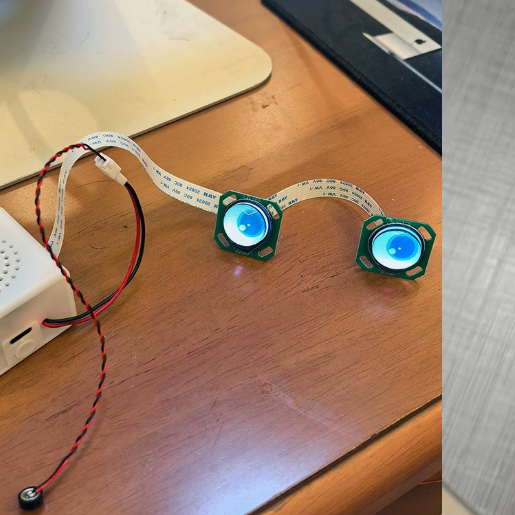
I once fell for an outrageous scam: I spent over 80 USD on a trendy repeat-talking plush doll that looked far better crafted than cheaper alternatives, yet its internal module was shockingly substandard. Speech cut in and out with gentle squeezing due to loose connections, and it stopped producing sound entirely within a month. After opening it up, I saw chaotic internal wiring, numerous cold solder joints, and second-hand refurbished speakers. Constant malfunctions made it a total rip-off. Since then, I prioritise module quality over appearance when buying voice plush toys.
 Exclusive Design Models, Plush Toys Reject One-Size-Fits-All
 Winter Soft Treasure, Plush Toys Warm Every Moment
 Long-pile plush toys trap dirt easily – Practical cleaning hacks for moms Every parent of young kids knows exactly how it is.
 Are Vintage Secondhand Plushies Worth Collecting? How to Spot Repaired & Refurbished Fakes