

Are Vintage Secondhand Plushies Worth Collecting? How to Spot Repaired & Refurbished Fakes
Are Vintage Secondhand Plushies Worth Collecting? How to Spot Repaired & Refurbished Fakes
Vintage secondhand plush toys have blown up in popularity these past couple years. You’ll spot people posting these retro dolls everywhere—hobby doll communities, secondhand marketplaces, and social media recommendation pages. A lot of collectors swear old-school plush beat modern mass-produced toys in shaping, fabric quality, and craftsmanship, packed with nostalgic vintage vibes and solid collectible value.
I got totally hooked on vintage plush a couple years back and bought over twenty retro dolls in total. I scored some genuine mint-condition steals, but also got burned hard by patched-up, refurbished defective pieces and wasted plenty of cash learning the ropes.
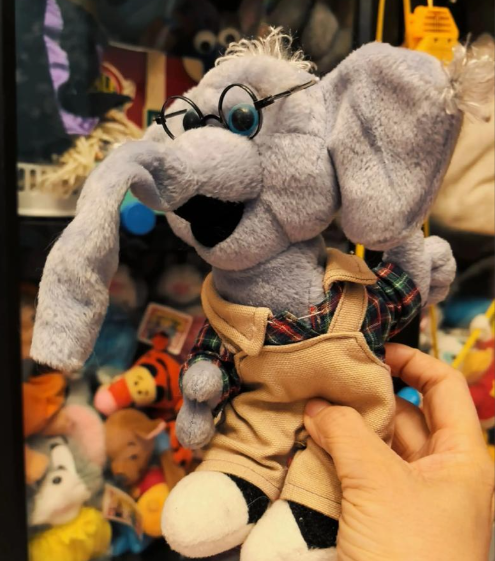
New collectors are usually confused: are vintage plush actually worth investing in? How do you tell genuine original vintage dolls apart from those fixed up and resold by sellers? Drawing from my hands-on collecting experience, I’ll break down the value of vintage plush collecting and share easy detection tricks anyone can use to spot refurbished fakes, helping you dodge sneaky seller scams.
First, straight answer to the big question: are retro secondhand plush worth collecting? In my opinion, well-preserved original vintage pieces with zero repairs or touch-ups are absolutely worth collecting. Older plush was built extremely sturdily back in the day, crafted with thick premium fur fabrics and generously stuffed filling for full, firm shaping—no corner-cutting like today’s bulk toys. Many vintage styles are discontinued one-of-a-kind designs with unique looks that you’ll never see duplicated, perfect for display or long-term collection with huge sentimental charm.
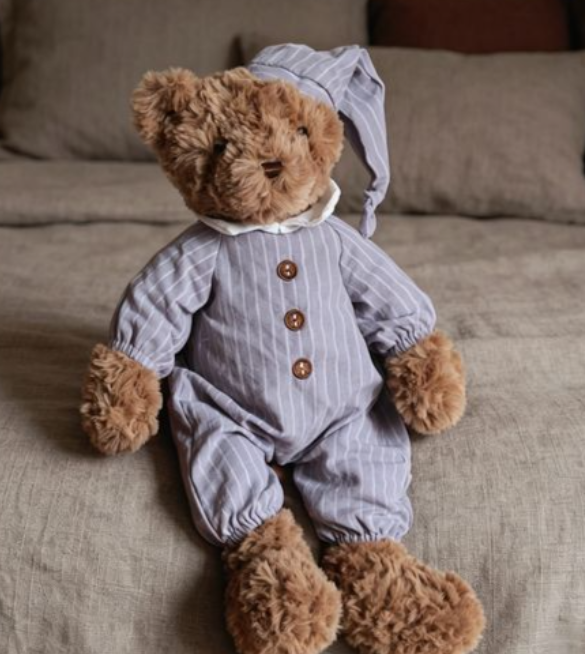
Better yet, authentic mint-condition discontinued vintage plush hold their value well, and rare popular styles even climb steadily in price over time, making them solid value-retaining collectibles. Here’s the catch though: around 70 to 80 percent of so-called vintage plush online are beat-up flawed toys patched up, dyed, and deep-cleaned for resale. These refurbished items have zero collectible worth at all. They’re just overhyped gimmicks from sellers, only fit for casual play—never buy them as investment pieces.
This is the biggest trap for newbies. You think you’re getting a timeless aged vintage treasure, but what you actually receive is a beat-up discarded doll fixed up cheaply then marked up for double the price. Not only do they never appreciate in value, their texture is terrible and they carry hygiene risks, making the whole purchase a total loss. I once overpaid for a refurbished vintage teddy bear that looked flawless on the surface, yet close inspection revealed repair marks everywhere. It started fraying and splitting at the seams within two months and became completely unusable—total waste of money.
Now let’s dive into my full set of identification tips to separate untouched original vintage plush from repaired refurbished ones, simple enough for total beginners to master right away.
1. Check natural aging on fur and fabric (most obvious clue)
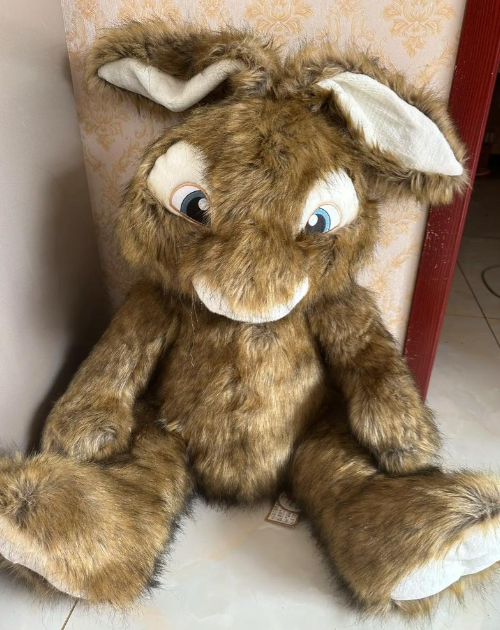
Genuine untouched vintage plush develops even, natural wear after years of storage: the fur softens, lies flat evenly with a subtle matte finish, and fades uniformly across the whole toy with no random patchy discoloration.
Refurbished dolls get bleached, spot-dyed, or have fur patched to cover damage. This leaves shiny uneven spots, jarring mismatched color tones—some areas look brand new while others look worn. Many sellers glue on replacement fur patches; the new fur differs drastically in density and softness from the original aged coat, feeling noticeably off and disjointed the second you touch it.
2. Inspect stitching and needle holes (core telltale detail)
All stitching on original vintage dolls uses factory-era uniform old stitching: consistent stitch spacing, thread color perfectly blended with the fabric, no loose stray threads or extra puncture holes. Even as the material ages over decades, the original seams stay neat and tidy.
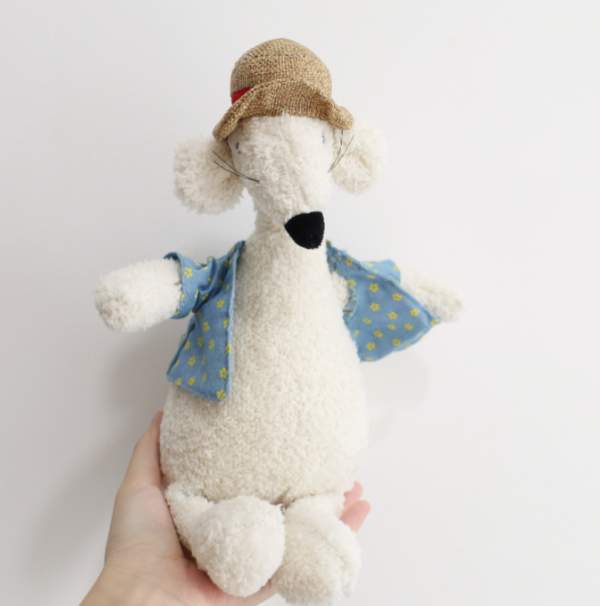
Repaired dolls use modern thread for patching rips and tears. The new stitches are uneven, crooked, and nearly impossible to match the original thread shade exactly. Most importantly, patched areas are covered in fresh new needle punctures. Hold the toy up to light, and you can clearly see fresh seam repair marks—this giveaway is nearly impossible for sellers to hide, 100% reliable every time.
3. Examine facial features, accessories and wear patterns
Original vintage eyes, noses, and embroidered facial details are all factory-made from that era, aging evenly and consistently. Fading and edge wear are uniform across the face, with no randomly brand-new-looking sections.
Refurbished dolls often have broken facial parts swapped out for new replacements. These new plastic or fabric features clash harshly with the aged worn body fabric, creating an obvious mismatched, cobbled-together look.
One more hidden scam: sellers take heavily moldy, stained, ripped vintage dolls and overhaul them with harsh deep washing, bleach, and heavy ironing to make them look spotless. While they appear clean and new, harsh chemicals break down fabric fibers permanently, leaving the material stiff, brittle, and prone to tearing at the slightest tug. They look intact but are structurally ruined, totally unfit for collecting, plus leftover chemical cleaners leave harsh lingering odors unsafe for close cuddling.
Final honest takeaway for new collectors: when buying vintage plush, condition always beats age, and original untouched pieces beat repaired ones every single time. If you just love retro aesthetics for casual play, budget refurbished pieces are fine for fun. But if you want long-term collecting and value retention, stick strictly to original dolls with no repairs, dye jobs, fur replacements, or swapped parts. Splurge a little for top-quality authentic mint pieces rather than chasing cheap beat-up refurbished rejects.
The true appeal of vintage plush lies in authentic, natural aging character, not fake perfection created with post-production fixes. Learn to spot refurbishment tricks, collect rationally without blind hype or falling for sales pitches, and you’ll score stylish, valuable genuine retro plush every time.
 Exclusive Design Models, Plush Toys Reject One-Size-Fits-All
 Winter Soft Treasure, Plush Toys Warm Every Moment
 Long-pile plush toys trap dirt easily – Practical cleaning hacks for moms Every parent of young kids knows exactly how it is.
 Frequent Failures in Smart Talking Plush Toys? Insider Guide on Sound Module Selection & Pitfall Avoidance