honzen plush toy


Strong Smell on Plush Toys Won’t Go Away Just From Air-Drying — Stubborn Chemical Residue Is Tough to Evaporate
Views:114
Update time:2026-07-11
Strong Smell on Plush Toys Won’t Go Away Just From Air-Drying — Stubborn Chemical Residue Is Tough to Evaporate
Pretty much everyone who’s bought a new plush doll or pillow has had this gross experience: tear open the package, and a harsh weird stench hits you right away. It might be a strong plastic reek or thick chemical fumes that feel suffocating to breathe. I used to buy into the common misconception that this smell was totally normal, just trapped air from tight packaging. I thought hanging it out to air for two or three days would make the odor vanish completely, no worries at all. I slept with several smelly plushies right by my bed back then, and looking back, I feel so lucky nothing serious happened.
After multiple bad run-ins and digging into insider industry info, I finally woke up to the truth: that powerful odor isn’t just stale trapped air. Most of the time, it’s tough chemical residue locked inside the fabric, and it will never fully fade out with simple ventilation. Lots of these harmful substances have a long latency period. Snuggling them against your body long-term does zero good for your health. I’ll share my personal mishaps and behind-the-scenes factory facts to break this down clearly, so you steer clear of this invisible health hazard.
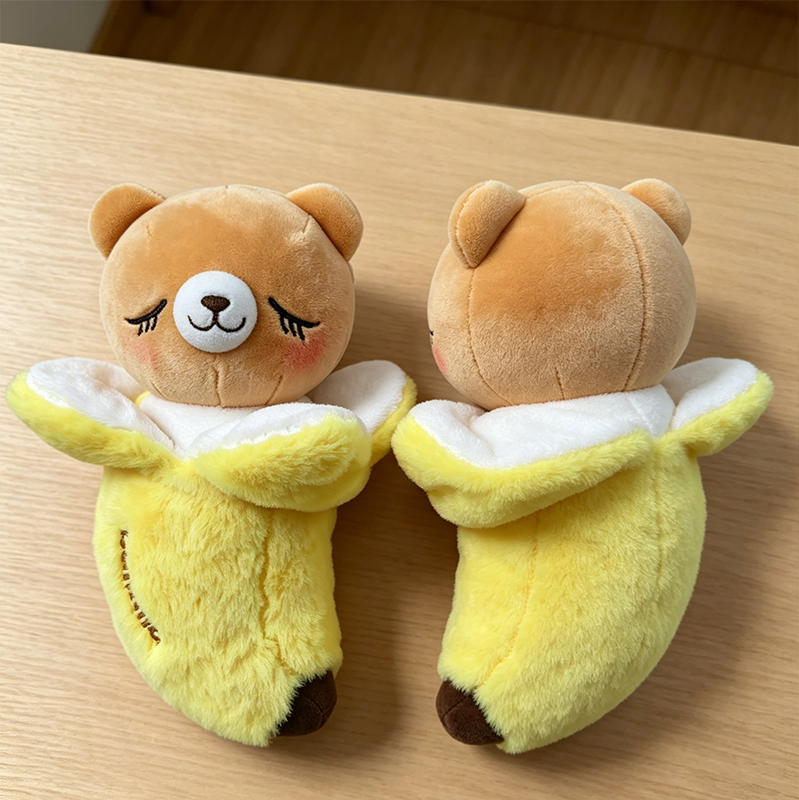
Let me start with my worst firsthand mistake. I grabbed an oversized plush pillow cheap from a live stream, and the second I unboxed it, the smell was overwhelming and stuffy. The seller told me it was just the normal scent of newly sealed goods and it would clear up after airing out. I took their word for it and hung it on the balcony for four or five days. On the surface, the smell seemed gone, so I brought it back to my bedroom to lean on while sleeping.
After a week of nightly use, I woke up every single morning with a scratchy dry throat, stuffy nose, and random lightheadedness. At first, I never linked these symptoms to the pillow. Then I went on a three-day trip, left my bedroom windows wide open, and didn’t touch the pillow at all. All my discomfort vanished entirely. As soon as I got home and got near the pillow again, that heavy sickly feeling came right back. That’s when I knew for sure the pillow was the culprit.
I looked up professional resources and talked to a friend who works in plush toy manufacturing, and the truth came out plain and simple: surface-level bad smells can disperse with fresh air, but chemical residue soaked deep inside fabric fibers is extremely hard to evaporate. To cut production costs, cheap uncertified plush makers use ultra-cheap industrial dyes, low-grade color fixatives, fabric softening additives, plus chemical treatments leftover from recycled filling cotton. These chemicals sink deep into fabric threads and stuffing, they’re not just surface odor. They release fumes slowly and continuously for months, even half a year straight.
That explains why a plush might smell fine after airing, but if you leave it sealed in a room overnight, a faint stale odor lingers the next morning. The smell is just weaker, not gone for good. Most people trick themselves into thinking it’s fixed, but it’s only your sense of smell growing desensitized. Toxic chemicals keep releasing nonstop, causing chronic irritation to your respiratory tract and skin from constant skin contact and inhalation. The health risks are way too serious to brush off.
I’ve got a super easy, reliable trick to tell apart regular new-fabric scent vs chemical leftover stench. Brand-name safe plush only have a faint natural smell of cloth and cotton, fresh with no sharpness. It fades fully within one day of airing and never comes back. Low-quality plush with chemical residue smells musty, plasticky, sour or bitter. Even after airing for two weeks and seeming odor-free, tuck the toy against your body or wrap it under a blanket for a few minutes, and the harsh smell bounces right back on loop with no end.
Why are these chemical leftovers so stubborn to remove? It all boils down to cost-cutting on materials and production steps. Legit eco-friendly plush goes through multiple factory processes before release: high-temperature washing, acid neutralizing, deodorizing, color locking. Most volatile harmful chemicals get removed in advance, then products pass odor inspections before shipping. Tiny sketchy workshops skip every single purification step. They dye and soften the fabric then pack it up immediately, trapping all chemical treatments inside the cloth and filling. Customers are stuck airing it out themselves, which can never fully eliminate the toxins.
Long-term contact with these chemically tainted plush toys brings worse harm than most realize. Adults may end up with dry itchy skin, recurring rhinitis, and persistent morning throat dryness. People with sensitive skin and young kids have weaker immune systems and face far stronger reactions. Little kids love chewing on plushies and hugging them all night long; constant exposure to these chemicals creates major hidden dangers that are never worth the low price tag.
Let me correct a huge widespread mistake: never rely only on airing out to fix smelly plush. Mild odor on certified quality toys is safe to use after 3 to 5 days of ventilation. But anything with sharp, stuffy, recurring bad fumes will never lose its internal chemical residue, no matter how long you air it. The safest call is to throw it away right away. Don’t cling to saving a few bucks — your health always comes first.
Here’s my honest shopping rule after years of collecting plush: I used to pick toys purely based on cuteness, softness and low price, assuming airing would fix any smell. Now odor is my top check before buying. If a toy reeks harshly right out of the box, no matter how adorable it is, I pass immediately. Plush toys are constant daily companions, touching your skin and filling the air you breathe every day. Looks and cheap prices should never be your only priority.
Always remember this: a stinky plush won’t get safe just by airing it out. Lingering cyclic chemical fumes are invisible health threats. Stick to odor-free, eco-friendly, officially inspected plush products, so you can cuddle safely and peacefully every single day.
Related News
Read More >>
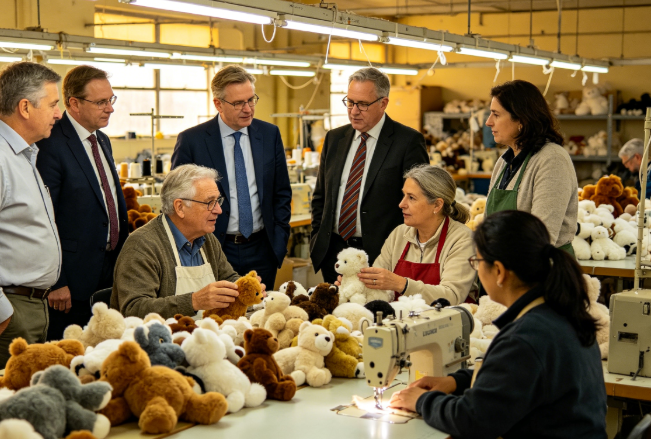 Exclusive Design Models, Plush Toys Reject One-Size-Fits-All
2026-07-21
Exclusive Design Models, Plush Toys Reject One-Size-Fits-All
In the pl
 Winter Soft Treasure, Plush Toys Warm Every Moment
2026-07-17
Winter Soft Treasure, Plush Toys Warm Every Moment
The romance of wint
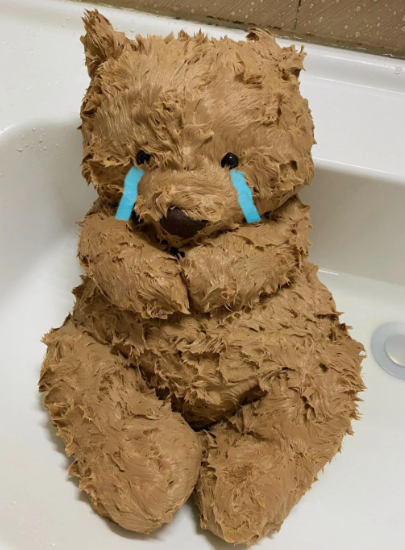 Long-pile plush toys trap dirt easily – Practical cleaning hacks for moms Every parent of young kids knows exactly how it is.
2026-07-14
Long-pile plush toys trap dirt easily – Practical cleaning hacks for m
 Frequent Failures in Smart Talking Plush Toys? Insider Guide on Sound Module Selection & Pitfall Avoidance
2026-07-13
were normal wear and tear. After testing over a dozen plush toys at di