

Long-pile plush toys trap dirt easily – Practical cleaning hacks for moms Every parent of young kids knows exactly how it is.
Long-pile plush toys trap dirt easily – Practical cleaning hacks for moms Every parent of young kids knows exactly how it is. Long-pile plush dolls are undeniably gorgeous and instantly lift the vibe. Their soft, fluffy long fibers look far more attractive than short-pile alternatives, and children love hugging them, nuzzling against them and even chewing on them. Beautiful as they are, they are such a hassle to maintain. My kid has been obsessed with all kinds of long-fur plush toys since little. Over time, I’ve realized long-pile plush items are natural dirt collectors. Dust, skin flakes and crumbs get wedged deep inside the fiber gaps. Simple wiping does nothing to get rid of deep grime; they may look clean on the surface but are actually filthy underneath.
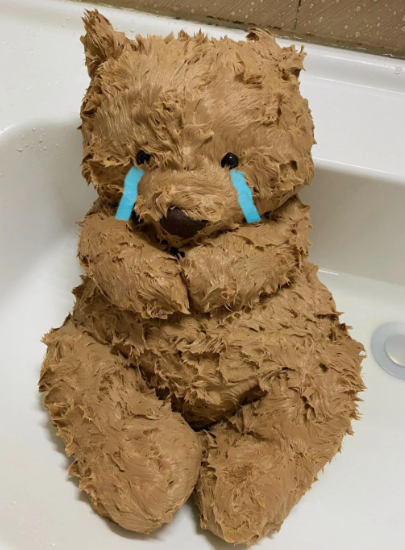
I used to have no clue how to clean them properly. Either I tossed them into the washing machine for rough cycles, leaving the matted, flattened, shedding plush ruined, or just wiped lightly with wet wipes, only cleaning the surface while deep-seated dirt remained untouched. After years of trial and error and countless cleaning mistakes, I’ve worked out a complete set of cleaning methods specially for long-pile plush toys. These techniques cut down frequent washing, preserve the shape and fibers, and handle daily stain removal, sanitizing and dust clearance – perfect for busy moms. Today I’m sharing these tried-and-tested tips to solve your plush cleaning troubles.
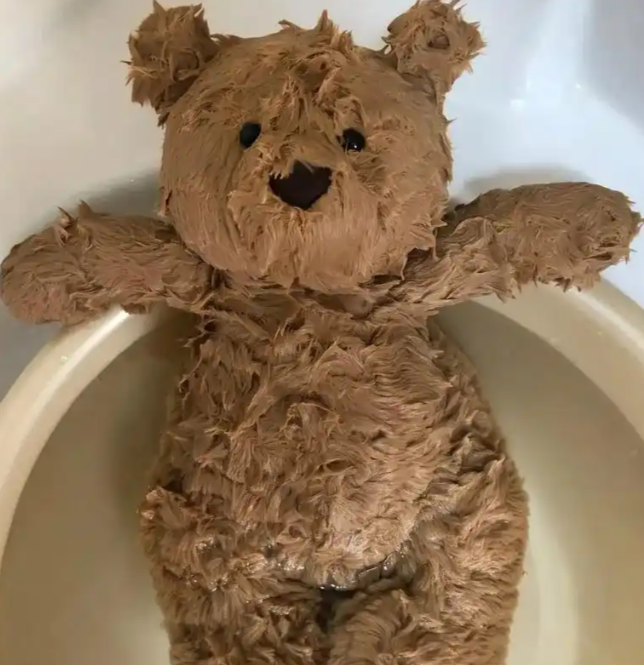
First, let’s break down why long-pile plush gathers dirt far more easily than short-pile versions. Short-pile toys feature short, dense fibers; most dust sits on the surface and can be removed easily by wiping. In contrast, long fibers create wide gaps and multiple layers. Snack crumbs shed while kids play, skin flakes from bedding, airborne dust and dust mites all sink down to the base of the pile. Brushing or patting only removes superficial dust and cannot reach embedded dirt. If left uncleaned for a long time, accumulated grime may lead to discoloration, odd odors and even mold growth, which irritates children’s sensitive skin.
My biggest mistake in the past was washing them whenever they looked dirty. I later learned frequent washing is terrible for long-pile plush. Washing causes tangling, frizzy fur and flattened stuffing. Worse still, dirt trapped at fiber roots can become locked inside during washing, making them dirtier over time. Moreover, thorough drying is hard to achieve; trapped moisture inside encourages bacteria and mites. Large long-pile plush pillows and dolls take tremendous effort to wash and often get damaged easily, so regular full washing is not recommended.
Let’s start with daily surface cleaning routines, ideal for weekly dust removal without water – finished within three minutes. The first method is dry brushing, my go-to daily maintenance trick. Grab an air cushion brush or specialized plush comb. Brush gently following the direction of fiber growth; never pull against the grain. Dust and loose debris on upper and middle fur layers will be lifted out. Right after brushing, your plush will regain its neat, fluffy look. Regular daily brushing prevents dirt buildup deep in the pile and drastically cuts heavy deep cleaning needs.
For cookie crumbs, tiny snack fragments and tangled hair left by children, here is a brilliant lazy hack: roll a lint roller repeatedly across the surface. Tiny debris hidden deep between long fibers that brushing misses will stick straight onto the roller, reaching tricky dead corners far better than picking by hand or wiping with wet wipes. Two minutes of quick maintenance each day stops stubborn dirt from building up on the surface.
When local yellowing, dark marks or mild stains appear, full washing is unnecessary – spot cleaning works perfectly. My permanent homemade solution: mix clean water with a small amount of neutral laundry detergent plus a dash of fabric softener. Dip a clean sponge in the mixture and dab gently on stained areas. Focus on faces, limbs and edges that children touch most often. Afterwards, wipe repeatedly with a clean damp towel to eliminate leftover detergent residue, then air-dry in a shaded, ventilated spot. Spot cleaning protects the overall shape while removing minor stains quickly and effortlessly.
Many moms overlook dust mites and unpleasant odors. Even visually clean long-pile plush harbors masses of mites and develops stale smells once dirt accumulates. Here is a no-rinse trick for sanitizing and deodorizing, great for regular upkeep. Mix baking soda with a small quantity of baby powder, spread evenly over the plush surface and rub lightly to work the powder into fiber gaps. Leave it for roughly ten minutes. The powder absorbs deep-set dirt, grease and bad odors while inhibiting bacteria and mites. Finally brush all powder away completely. The plush will be odor-free, exceptionally soft and fluffy, almost like brand new.
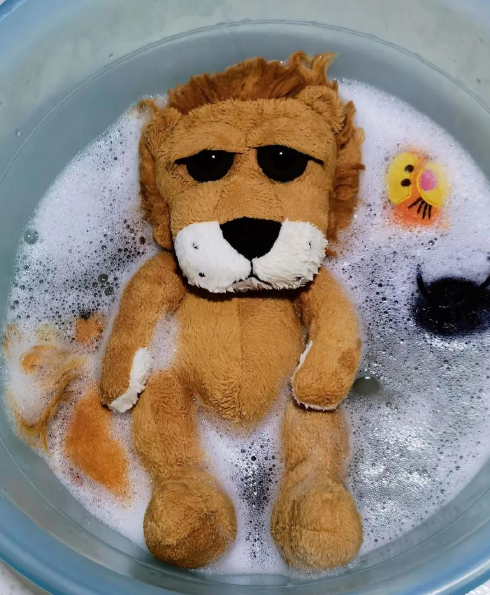
For heavily soiled long-pile plush that has not been cleaned in ages, deep cleaning is required. Machine washing is not advised; hand washing with gentle care is preferred. Always use cold water and neutral detergent. Press to clean – avoid rigorous scrubbing to prevent tangling and frizzy fibers. Never twist and wring firmly after washing; squeeze excess water out softly. While air-drying in shade, pat and comb the fur every 30 minutes. Once fully dry, there will be no matting or flattening, keeping full fluffiness.
Lastly, I’m sharing maintenance habits I summed up to reduce dirt accumulation from the start:
- Try to stop kids from eating snacks or drinking beverages while holding long-pile plush toys, cutting crumb residues at the source.
- Air them out regularly in shaded ventilation areas. Avoid direct strong sunlight, which ages fibers and causes yellowing.
- Store unused plush toys inside dust-proof bags to prevent dust buildup.
Only after becoming a mother do I realize how critical hygiene is for children’s beloved plush companions. Long-pile plush toys are lovely and comforting, yet they are extremely prone to trapping dirt. Master these no-frequent-wash cleaning hacks that protect plush fibers. You can keep toys fluffy and clean long-term without exhausting washing cycles, letting children play safely and giving moms greater peace of mind.
 Exclusive Design Models, Plush Toys Reject One-Size-Fits-All
 Winter Soft Treasure, Plush Toys Warm Every Moment
 Frequent Failures in Smart Talking Plush Toys? Insider Guide on Sound Module Selection & Pitfall Avoidance
 Are Vintage Secondhand Plushies Worth Collecting? How to Spot Repaired & Refurbished Fakes