honzen plush toy


Plush Toys Staining Your Clothes? Always Pick Eco-Friendly Dyeing
Views:105
Update time:2026-06-25
Plush Toys Staining Your Clothes? Always Pick Eco-Friendly Dyeing
If you’re someone who hoards plush dolls or keeps stuffed animals on your bed, you’ve definitely run into this frustrating issue: your nice clothes and bed sheets get stained by the toys, and those marks are nearly impossible to wash out. I’ve been driven crazy by this before. I bought a cute dark-colored plush toy that looked great and was cheap, but after cuddling it for just two nights in bed, the collar of my white pajamas was dyed dark. My pure cotton bed sheet ended up covered in splotchy discoloration, ruining perfectly good household linens. It was such a waste and totally upsetting.
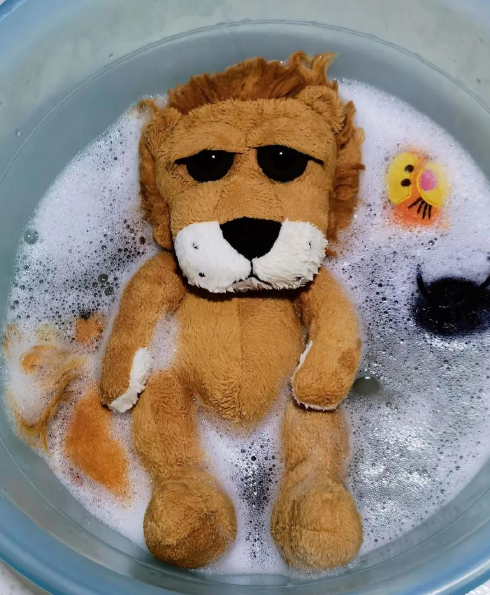
I used to naively think fading was normal for new plushies, just loose surface dye that would come off after a few washes or wipes. I even thought expensive and cheap ones were the same, so there was no point splurging extra cash. But after two years of trial and error, testing tons of plush toys, I finally realized fading is never standard. It only happens when manufacturers cut corners with subpar dyeing techniques. Toys made with eco-friendly dyeing won’t bleed color onto your stuff, even with constant snuggling or dozens of washes. The difference is night and day.
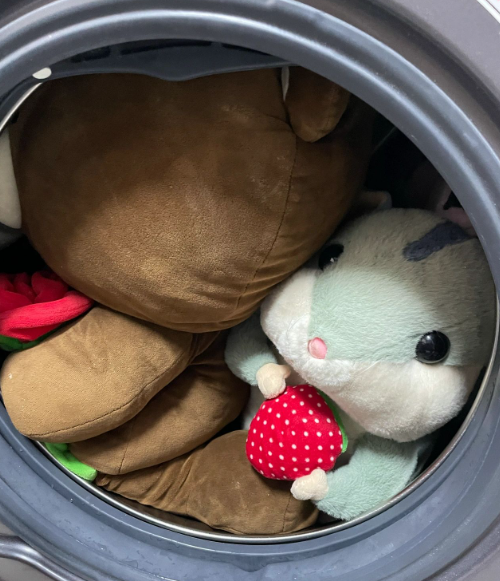
Most regular shoppers don’t know dyeing quality varies wildly for plush toys, only judging products by looks and price—then end up paying the price themselves. Budget viral plush items bleed easily because brands use the cheapest industrial pigments to slash costs. They skip critical steps like color fixing, removing excess loose dye, and eco purification to save money, leaving consumers to deal with all the downsides. It’s just not worth it.
Once I fell for low prices and bought five bright-colored plushies in pink, navy and black. Right out of the packaging, they reeked of harsh chemicals, but I thought airing them out for a few days would fix it. Not only did they rub color off nonstop with daily contact, they bled heavily in the first wash. All the toys’ colors mixed together, turning the water murky dark, and stained my casual socks tossed in the same load. I was furious and learned my lesson the hard way.
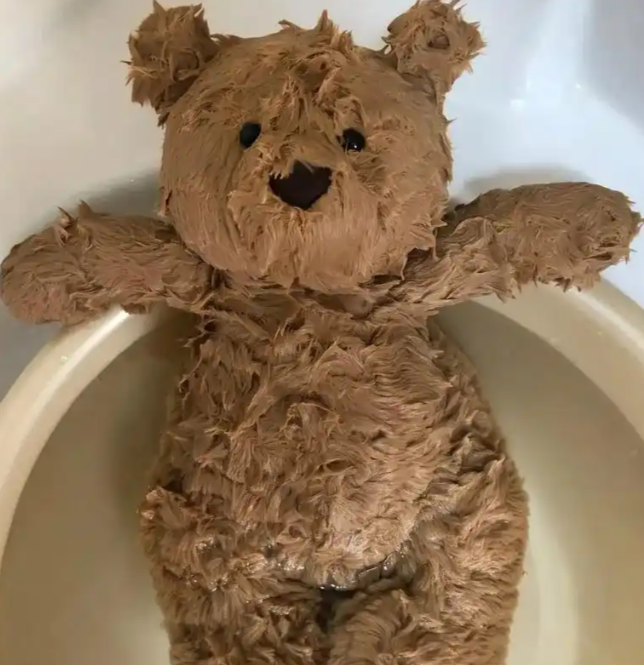
Low-grade industrial dye is dangerous beyond ruining your laundry. These untreated dyes carry chemical residue and trace heavy metals. Since we hold plush toys close to our faces and skin while sleeping, sweat and moisture let these harmful substances seep out gradually. People with sensitive skin often get redness, itchiness or tiny bumps. It’s even riskier for kids, who chew on stuffed animals or touch their mouths right after playing—major health hazards you can’t ignore.
So why does eco-friendly dyeing eliminate color bleeding entirely? I looked into the actual production process, and the gap is massive. Certified eco dye uses water-based non-toxic pigments with no excessive harmful additives, boasting exceptional color adhesion. During production, fabrics go through high-temperature color setting, multiple rounds of rinsing to strip loose dye, plus pH neutralization and final shaping. Dye sinks deep into the plush fibers instead of just sitting on top for a quick cheap coat.
Plush treated with eco techniques meets national safety standards for infant products. No color transfer happens from dry rubbing, daily cuddling, warm hand washing or machine cycles. The hues look soft and natural, no dull cheap tint. They resist fading from long-term handling and sunlight, staying bright and new for ages with fantastic durability.
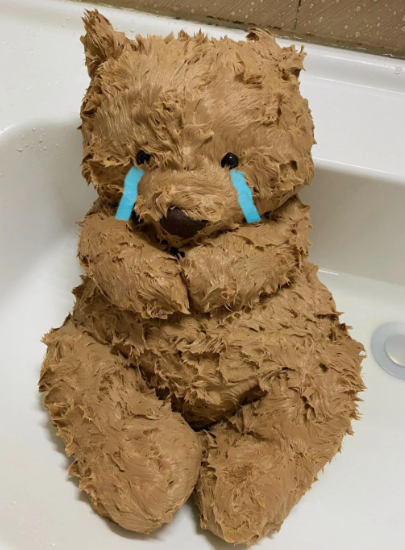
Wondering how average buyers spot genuine eco-dyed plush after delivery without knowing manufacturing details? Here are my simple go-to tests anyone can do. First, dry rub test: take a clean white tissue and scrub the fur hard back and forth. If the tissue picks up dye, it’s poor-quality dye—return it right away.
Second, damp wipe test: rub the fur repeatedly with a wet wipe. Safe eco plush leaves the wipe spotless, while cheap toys stain it instantly. Last, smell it. Eco-dyed plush only has a faint clean fabric scent. Industrial dyed knockoffs have sharp chemical or plastic fumes that linger for days even with ventilation.
From years of collecting plush, I’d warn against grabbing ultra-cheap trending toys. Those $10–$20 dolls seem budget-friendly upfront, yet they stain your clothes, expose you to harsh chemicals, and force you to replace them constantly—costing more long-term. We buy plush for comfort and peace of mind, no need to compromise health and comfort for a tiny price cut.
At the end of the day, don’t shop for plush based only on appearance and price. Eco-safe high color-fast dyeing is a must-have hidden feature. Choosing certified eco-dyed toys saves you from stained bedding and clothes, while keeping you safe from toxic chemical residue. Perfect for personal daily use and children’s play alike, totally reliable and worry-free.
Related News
Read More >>
 Exclusive Design Models, Plush Toys Reject One-Size-Fits-All
2026-07-21
Exclusive Design Models, Plush Toys Reject One-Size-Fits-All
In the pl
 Winter Soft Treasure, Plush Toys Warm Every Moment
2026-07-17
Winter Soft Treasure, Plush Toys Warm Every Moment
The romance of wint
Long-pile plush toys trap dirt easily – Practical cleaning hacks for moms Every parent of young kids knows exactly how it is.
2026-07-14
Long-pile plush toys trap dirt easily – Practical cleaning hacks for m
 Frequent Failures in Smart Talking Plush Toys? Insider Guide on Sound Module Selection & Pitfall Avoidance
2026-07-13
were normal wear and tear. After testing over a dozen plush toys at di