honzen plush toy


Never let kids play with plush toys without the CE marking
Views:83
Update time:2026-06-30
Never let kids play with plush toys without the CE marking
Parents with young children usually only look at appearance, softness and price when buying plush toys for their little ones. They think fluffy dolls with no sharp edges are totally safe for kids to hold, chew on or sleep with. I used to think the same way too. I always figured plush toys didn’t have sharp corners like plastic toys and came with no safety risks, so I’d grab cheap ones online or from live-stream sales without a second thought for my child. It was only after I studied child toy safety standards closely and watched other parents fall for these scams that I learned a vital rule: plush toys lacking the CE marking should never be given to children, especially toddlers.
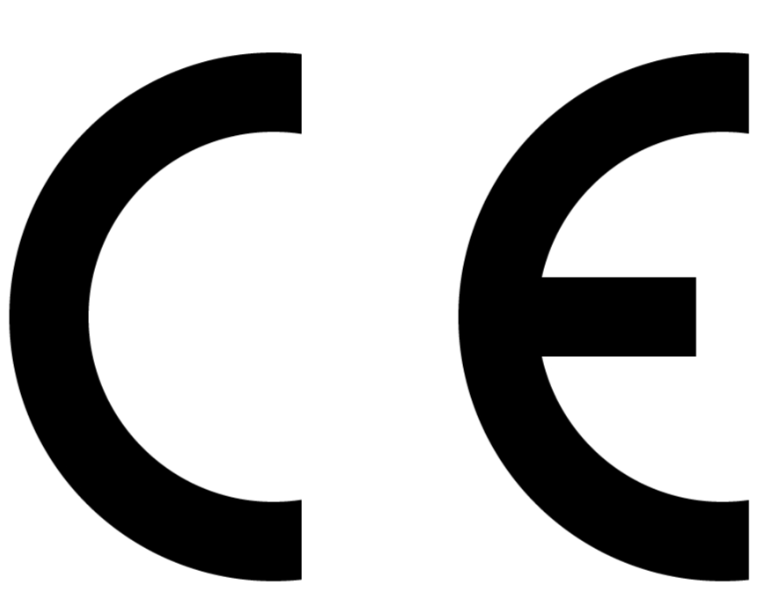
Most regular parents have no idea what the CE marking stands for or how critical this small label is for safety. Plenty of people mistake it for a random export tag, an optional decoration put on by sellers, but they couldn’t be more wrong. The CE mark is a mandatory EU safety certification for children’s products. It enforces strict rules specially designed for infant toys and close-contact items. Any plush toy carrying this mark has passed more than a dozen safety tests covering heavy metal content, formaldehyde, dye safety, fur shedding and small part detachment. It’s one of the most widely recognized safety benchmarks for kids’ toys worldwide.
Many parents believe domestic toys with national standard certification are enough and the CE mark is unnecessary, which is a huge misunderstanding. I’ve compared testing rules for various children’s toys, and the CE standard sets stricter, more detailed entry requirements than regular domestic national standards. It includes targeted tests for scenarios where kids chew, squeeze and keep toys pressed against their skin. Simply put, plush toys with authentic CE labels meet higher safety standards and are far more suitable for daily use by young toddlers. Dolls without this marking have completely unknown safety levels and carry massive hidden dangers.
I once bought a viral comfort plush for my young nephew. It looked adorable, was cheap and felt super soft to touch, yet it had no CE marking and even lacked basic safety tags. I didn’t pay it any mind back then and let the child hug it every night while sleeping. Within two weeks, his cheeks broke out in constant red rashes, he kept rubbing his nose and sneezing, and slept restlessly through the night. A doctor’s checkup confirmed an allergic reaction triggered by low-quality dyes and loose lint from the toy touching his skin constantly. I felt terrible and learned my lesson hard—never again will I let my kid use uncertified plush toys.
Why do toys without CE markings pose such high risks? I looked up industry materials and asked a friend who works in toy quality inspection to get to the bottom of it. First off, unmarked plush dolls are almost always made illegally in small unlicensed workshops with zero dedicated safety testing. To cut costs to the minimum, manufacturers use the cheapest industrial dyes, recycled stuffing and substandard fabric. These raw materials frequently contain excessive formaldehyde, heavy metal residue and failing color fastness. Adults won’t get hurt from brief contact, but children have weaker immune systems. Long-term skin contact and chewing easily trigger allergies, respiratory issues and other health troubles.
Second, CE certification includes a critical safety test for small components, a key protection for young kids. Most uncertified three-no plush toys have eyes, noses, decorative bows and small pendants stuck on only with weak glue instead of secure stitching. These tiny pieces fall off with just a light tug. Toddlers put anything small into their mouths right away, leading to extreme choking and swallowing hazards. CE-certified plush toys subject all attachments to tension pull tests, with tight stitching that stops parts from coming loose, eliminating playtime safety risks through solid craftsmanship.
Another easily overlooked difference lies in lint shedding control and hygiene standards. Cheap plush toys without CE labels mostly use short shredded recycled fibers with loose weaving, shedding tons of loose fluff easily. When kids play with them, floating lint gets inhaled into the nose and mouth, irritating the respiratory tract over time and bringing on rhinitis, coughing and other illnesses. Fabrics approved for CE certification follow strict limits on lint loss, with no excess surface fuzz and dense safe fibers fit for long-time skin contact, guaranteeing hygiene and safety.
Here’s another misconception to clear up: not every toy printed with “CE” is qualified. Unscrupulous sellers now forge CE markings, stamping the fake logo onto care labels to trick parents. You have to learn how to tell genuine ones apart. Real certified CE marks come with complete manufacturer details, test batch numbers and official compliance standards, printed sharply with full supporting documentation. Counterfeit CE stamps have blurry text, blank information and no verifiable test reports, serving only as deceptive marketing bait.
Drawing from my own parenting shopping experience, I sincerely advise all parents not to prioritize looks and price when picking plush toys for kids. Viral toys costing ten to twenty yuan, unbranded export surplus goods and cheap live-stream bestsellers—no matter how soft or cute they look—should never be purchased without a verifiable official CE safety label. We buy toys for our children to bring them joy and comfort, and we must never expose them to unsafe items just to save money.
In short, the CE marking looks like a simple set of letters, but it represents a full set of strict child safety tests and acts as a vital barrier protecting kids’ health. Plush toys without CE approval hold unknown risks and zero safety guarantees. Never take chances and let your children play with them. Only choose dolls with official safety labels and complete test backing to let your kids play happily while you stay fully at ease.
Related News
Read More >>
 Exclusive Design Models, Plush Toys Reject One-Size-Fits-All
2026-07-21
Exclusive Design Models, Plush Toys Reject One-Size-Fits-All
In the pl
 Winter Soft Treasure, Plush Toys Warm Every Moment
2026-07-17
Winter Soft Treasure, Plush Toys Warm Every Moment
The romance of wint
 Long-pile plush toys trap dirt easily – Practical cleaning hacks for moms Every parent of young kids knows exactly how it is.
2026-07-14
Long-pile plush toys trap dirt easily – Practical cleaning hacks for m
 Frequent Failures in Smart Talking Plush Toys? Insider Guide on Sound Module Selection & Pitfall Avoidance
2026-07-13
were normal wear and tear. After testing over a dozen plush toys at di