honzen plush toy


Large Plush Pillows Prone to Collapsing? Prioritize Filling Density When Buying
Views:125
Update time:2026-06-28
Large Plush Pillows Prone to Collapsing? Prioritize Filling Density When Buying
Whether renting an apartment or owning a home, most households keep several oversized plush pillows. They are perfect for propping yourself up while binge-watching shows, napping during lunch breaks, or cushioning your waist before bed—their soft texture can truly elevate the comfort of domestic life. Yet I’m sure nearly everyone has run into one frustrating issue: brand-new large pillows come plump, neatly shaped, thick and fluffy to the touch, but after just a month of regular use, they gradually sag. What was once a thick, supportive cushion turns flat and limp, hollow in the center and bulging unevenly around the edges. No amount of patting or airing can restore its original shape. Leaning against it feels stiff and rigid, stripping away all initial comfort and ruining the user experience entirely.
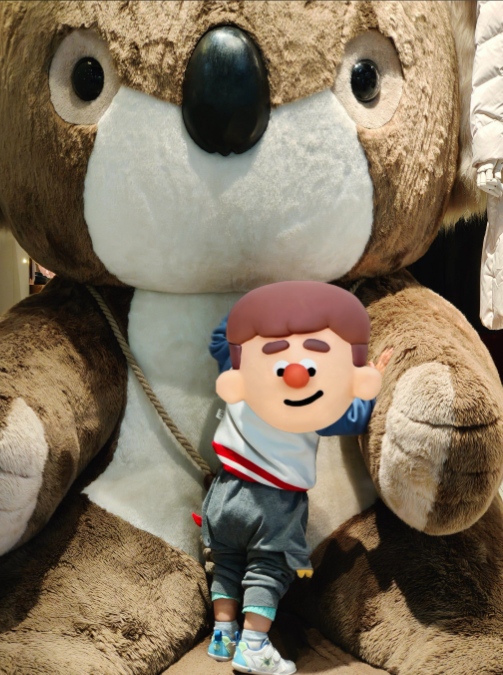
I used to assume sagging was normal wear and tear for large pillows. After all, constant leaning and compression would inevitably flatten them over time, so I never thought much of it and simply replaced them once they collapsed. I cycled through four or five large pillows this way, wasting quite a bit of money, until I bought one that stayed fluffy for two full years. Comparing the two made it crystal clear: pillow collapse has nothing to do with usage habits. The root cause is substandard filling density, which is the most overlooked purchasing detail for most shoppers—bar none.
New buyers shopping for oversized plush pillows often fixate only on appearance, fabric texture and overall size, assuming a thick look and soft feel equal good quality. This is a massive misconception. Small plush toys have low requirements for filling density, and minor compression is unnoticeable. However, large pillows bear heavy pressure across a wide surface area and sustain frequent daily weight load. Filling density directly determines resilience and service life, acting as the key dividing line between shoddy and premium pillows. Even a slight density gap creates a night-and-day difference in texture and durability.
Let me break down filling density in plain terms: it refers to how tightly and fully stuffing fibers are packed within a fixed volume. Higher density means more even fiber distribution inside, stronger structural support, superior resistance to permanent flattening and matting. Budget-friendly large pillows priced at dozens of yuan cut corners primarily by reducing filling density. To slash production costs, manufacturers deliberately understuff or loosely stuff pillows to create an illusion of fullness, resulting in sparse hollow fiber interiors with severely inadequate support—the leading cause of sagging.

The cheap pillows I previously bought looked round and plump right out of packaging, a neat shape achieved solely through mechanical fluffing and shaping at the factory, not solid, dense stuffing. After weeks of leaning and lying pressure, the sparse filling shifts and compacts rapidly: central stuffing gets pushed to the perimeter, leaving a sunken middle and piled-up edges for a lopsided shape. Not only does it look unattractive, but it offers zero back or lumbar support, even digging uncomfortably into your spine, defeating the very purpose of a supportive pillow.
Beyond underfilling and loose stuffing causing low density, another sneaky cost-cutting tactic is mixing low-grade shredded fill to bring down overall density. Many cheap large pillows skip premium intact high-resilience fiber and blend massive amounts of factory offcut scraps and recycled filling. These short, fragmented fibers lack structural integrity and bounce back capacity. Premium hollow three-dimensional high-resilience cotton springs back instantly after compression, while shredded scraps harden and clump permanently once pressed flat—irreparable no matter how much you pat or air-dry the pillow.
I tested two identically sized large pillows side by side, and the contrast was stark. A high-density premium pillow feels firm and uniform when pressed hard; it never caves all the way through and bounces back instantly without indentation after release. Even after dozens of repeated presses, it retains its full shape with no localized sagging or unevenness over long-term use. In contrast, low-quality low-density pillows sink completely with light pressure, hollow and unsupported to the touch, rebounding sluggishly and becoming unusable shortly after purchase.
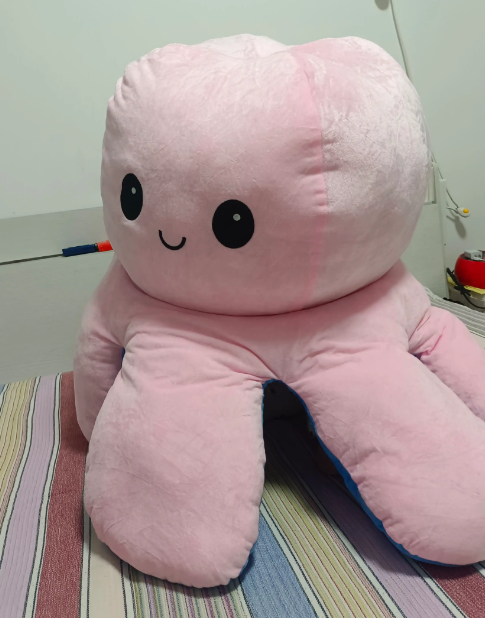
Pillows with insufficient filling density come with additional drawbacks. Loose, sparse stuffing shifts and deforms easily, clumping into hard lumps after washing and warping the pillow permanently out of shape. The porous loose filling also traps dust and moisture far more easily, attracting dust mites and bacteria. Dampness struggles to evaporate through poor ventilation, leading to stale, musty odors over time and serious hygiene risks.
Below are practical shopping tips I’ve summed up, requiring no technical parameters and easy for anyone to distinguish high-density from low-density pillows:
- Press Test: Press hard into the pillow’s center. Quick full rebound with no lingering indentation and firm non-hollow texture confirms qualified high density. Severe sinking, slow rebound and hollow lightweight feel mean you should reject it immediately.
- Knead Test: Squeeze and knead the pillow from all angles. Uniform interior with no hard lumps, hollow spots or uneven shifting indicates consistent dense filling. Detectable hollow cavities or rigid clumps mark low-density defective products.
- Shake Test: Lift the pillow and shake gently. Premium high-density pillows hold their shape steadily without sagging or distortion. Inferior low-density pillows droop heavily in the middle and flatten instantly once shaken, losing structural form completely.
- Weight Check: For pillows of identical dimensions, heavier weight reliably signals solid filling density; ultra-lightweight options are almost always understuffed gimmick products.
After years of collecting and using plush pillows, my biggest takeaway is never chase rock-bottom prices for oversized cushions. Looks and size are superficial; filling density is the core guarantee of quality. Cheap pillows seem cost-effective upfront but collapse within one or two months, making frequent replacements far more costly. Investing once in a high-density, high-resilience pillow keeps it fluffy for years, delivering consistent comfortable support and elevating daily home comfort immensely.
In summary, stop prioritizing fabric and appearance alone when buying large plush pillows—always put filling density first. Steer clear of sag-prone pillows with underfilling, loose stuffing or shredded recycled fill. Opt for firmly packed, highly resilient premium pillows to maintain a plump shape long-term, eliminate repeated replacement costs, and maximize both cost performance and daily comfort.
Related News
Read More >>
 Exclusive Design Models, Plush Toys Reject One-Size-Fits-All
2026-07-21
Exclusive Design Models, Plush Toys Reject One-Size-Fits-All
In the pl
 Winter Soft Treasure, Plush Toys Warm Every Moment
2026-07-17
Winter Soft Treasure, Plush Toys Warm Every Moment
The romance of wint
 Long-pile plush toys trap dirt easily – Practical cleaning hacks for moms Every parent of young kids knows exactly how it is.
2026-07-14
Long-pile plush toys trap dirt easily – Practical cleaning hacks for m
 Frequent Failures in Smart Talking Plush Toys? Insider Guide on Sound Module Selection & Pitfall Avoidance
2026-07-13
were normal wear and tear. After testing over a dozen plush toys at di