honzen plush toy


Budget Domestic Plush vs Imported Dolls: Where Exactly Lies the Gap?
Views:107
Update time:2026-07-06
Budget Domestic Plush vs Imported Dolls: Where Exactly Lies the Gap?
Anyone who’s into plush toys has faced this dilemma: two dolls of the exact same size and design. Affordable domestic versions cost just tens of bucks, while well-known imported brands can easily hit two or three hundred dollars, sometimes even four to five hundred—several times the price difference. Lots of people argue imported plushies are just brand markup scams ripping buyers off, and wonder if budget domestic plush can ever stack up against overseas alternatives. I’ve collected plush toys for years, owning tons of pieces from both sides: cheap viral domestic picks and popular high-end imported dolls. After hands-on testing their texture, durability and craftsmanship details, I’ll break down their real differences fairly, no biased praise or bashing, to give you honest shopping advice.
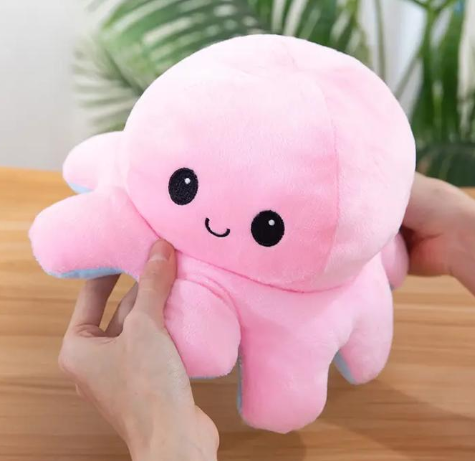
First, a little-known industry truth: over 80% of imported plush dolls sold worldwide are actually manufactured in Chinese factories, often using identical raw materials and production lines as domestic plush. When it comes to basic fabric alone, many high-quality affordable domestic plush use material nearly indistinguishable from standard imported options, feeling equally soft and skin-friendly. Contrary to popular belief, imported fabric doesn’t automatically outperform domestic fabric. So why is there still a noticeable gap in overall feel and long-term use? The answer isn’t raw materials—it’s strict quality control, meticulous detailing and safety compliance standards, the key factors separating the two categories.
Let’s start with the most obvious difference: hand feel and fluffiness. Most budget domestic plush prioritize ultra-low pricing and mass sales, cutting corners on stuffing and fabric to keep costs down. For the exact same doll size, cheap domestic plush use lighter filling weight with loosely packed cotton. They look full right out of the package only thanks to machine shaping tricks; one light press leaves hollow empty spots, and the stuffing bounces back slowly. After one or two months of regular squeezing, parts cave in, filling shifts unevenly, and the original shape warps over time.
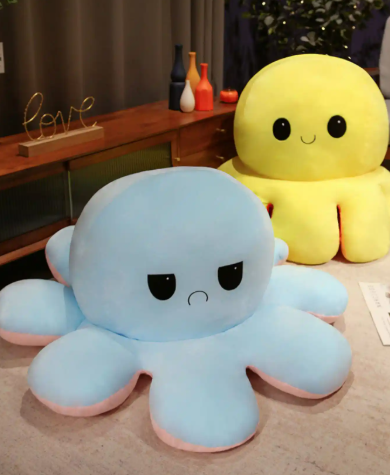
Imported dolls follow a totally different filling logic. Their stuffing density is strictly standardized, with fixed weight and fluff requirements for every size. Workers layer the filling manually and reshape each piece by patting. Even with constant squeezing and nightly cuddling, they hold firm structure, never developing lopsided hollow areas. I’ve compared identical designs side by side: imported dolls feel dense yet squishy with instant bounce-back, while cheap domestic ones feel hollow and floppy, with the quality gap growing bigger the longer you use them.
Next up: tiny craftsmanship details, where the divide is most obvious. To maximize output speed, budget mass-produced domestic plush run entirely on high-speed automated assembly lines. Loose sparse stitching, messy seams, excess loose fuzz and stray threads are extremely common. Embroidered facial features often come out crooked or blurry, seams between panels have wide gaps, and small attached parts are fastened carelessly, leading to unraveling and falling off with wear. It’s not that domestic factories can’t deliver precise work—low-cost bulk lines simply refuse to spend extra labor on hand finishing.
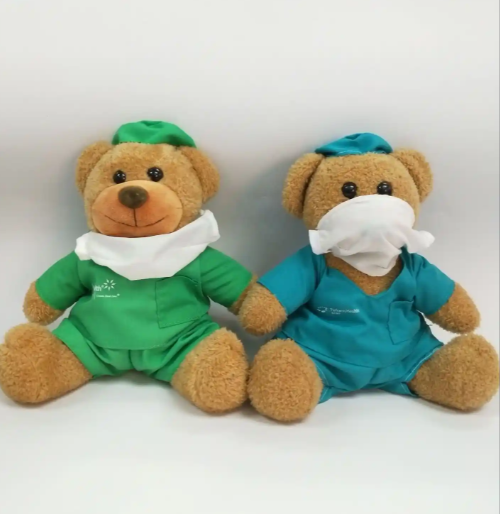
Imported brands enforce far stricter quality checks. Every single piece gets manual inspection, fur trimming and shape adjustment before leaving the factory. Facial proportions stay perfectly symmetrical, stitching is tight and even, edge binding is neat, and stray threads are almost non-existent, keeping the whole doll crisp and well-proportioned. Even tiny keychain plush receive refined finishing with no deformed or lopsided flaws. That’s why imported dolls stay pleasing to the eye long-term, while close inspection of some cheap domestic picks reveals countless tiny flaws.
Safety standards and durability are another critical point you can’t ignore. Many low-end budget domestic plush use regular industrial dye with poor color fastness, prone to minor fading and static buildup. They skip multiple safety screenings, so formaldehyde and chemical residue levels are a total gamble. Casual display is fine, but long hours of bedtime snuggling or use by young kids carry mild health risks from prolonged skin contact.
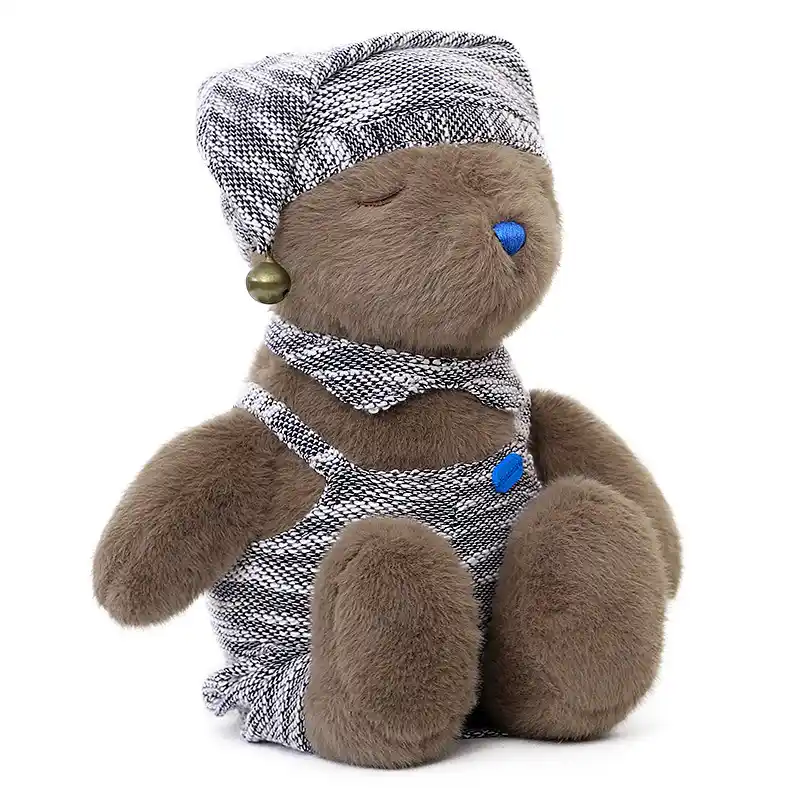
Nearly all imported dolls pass multiple international safety certifications, using eco-friendly non-toxic dyes with complete color setting, sanitizing and anti-static treatments. Strict limits apply to color bleeding, heavy metal content and toxic chemical residue for top-tier safety. Their fabric and filling also hold up better against shedding, pilling and stiffening. With proper care, they retain their soft texture and shape for years. In contrast, cheap domestic budget plush usually start shedding, hardening and collapsing within half a year, forcing frequent replacements.
I want to set the record straight here: plenty of premium original domestic plush now match imported quality perfectly. People often confuse cheap mass-produced domestic goods with high-end independent domestic designer plush. Bulk cheap items under $20 focus purely on cost performance, great for casual play and home decor. Mid-range original niche domestic plush priced around $100 get major upgrades in material, construction and quality control, matching imported luxury standards in detail and safety at just half the imported price—unbeatable value for money.
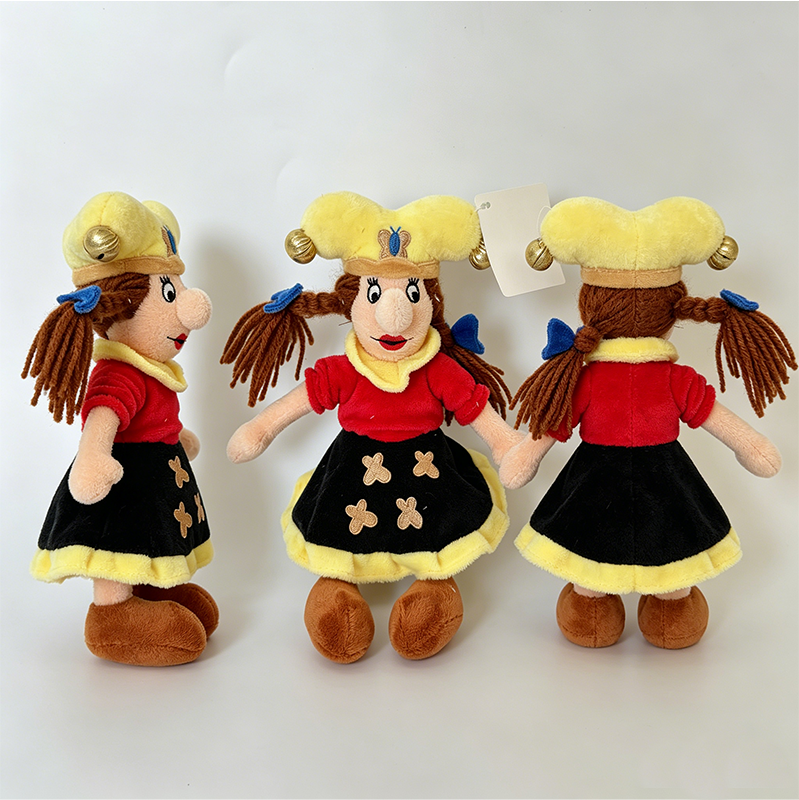
Many shoppers blindly chase imported dolls, yet most of their spending goes to brand premium, import tariffs, fancy packaging and marketing, rather than actual production materials. Budget domestic plush cut out all unnecessary markup, charging only for raw materials and basic labor. Their only downside is inconsistent quality across low-end bulk lines, making bad purchases easy if you pick blindly.
Here are my tried-and-true buying tips from years of collecting. If you only need a decorative piece for occasional play and want maximum value, reliable cheap domestic plush work perfectly—no need to overpay for brand prestige. If you plan to cuddle it nightly, buy for toddlers, or crave top-tier detailing and long-lasting durability, go for imported dolls or premium original domestic designs, staying away from uncertified no-name cheap bulk toys.
At the end of the day, the gap between affordable domestic plush and imported dolls is no longer a total material dominance by imports. It boils down to subtle differences in quality control, fine craftsmanship, standardized production and safety regulations. Neither option is universally better than the other. Choose based on your needs, skip blind worship of foreign brands, and avoid unfair dismissal of domestic products. Picking the right item tailored to your use case is always the smartest deal.
Related News
Read More >>
 Exclusive Design Models, Plush Toys Reject One-Size-Fits-All
2026-07-21
Exclusive Design Models, Plush Toys Reject One-Size-Fits-All
In the pl
 Winter Soft Treasure, Plush Toys Warm Every Moment
2026-07-17
Winter Soft Treasure, Plush Toys Warm Every Moment
The romance of wint
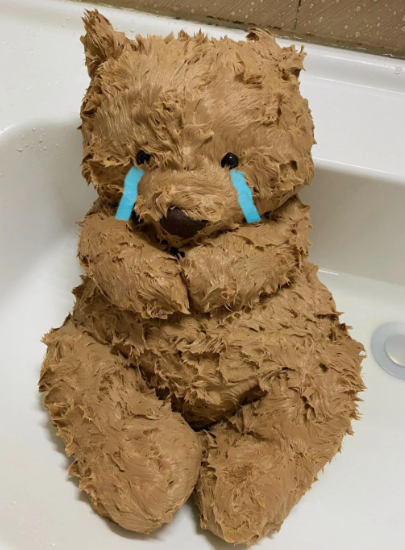 Long-pile plush toys trap dirt easily – Practical cleaning hacks for moms Every parent of young kids knows exactly how it is.
2026-07-14
Long-pile plush toys trap dirt easily – Practical cleaning hacks for m
 Frequent Failures in Smart Talking Plush Toys? Insider Guide on Sound Module Selection & Pitfall Avoidance
2026-07-13
were normal wear and tear. After testing over a dozen plush toys at di