honzen plush toy


Are Blind Box Plush Toys a Total Rip-Off? Break Down Their Real Costs & Pricing Tricks
Views:118
Update time:2026-06-27
Are Blind Box Plush Toys a Total Rip-Off? Break Down Their Real Costs & Pricing Tricks
If you’re into collecting tiny plush dolls, I’m sure you’ve bought blind box plushies before. Those mini keychain figures and little mascots have super cute IP designs, and the thrill of opening a random box to see what you get is seriously addictive. I was obsessed with blind boxes a couple years back—every new series dropped, I’d rush to buy them. I ended up with a whole cabinet full, each costing $8 to $12 CAD (50–80 RMB). Individually they don’t seem pricey, but add everything up and the total cash I blew was insane.
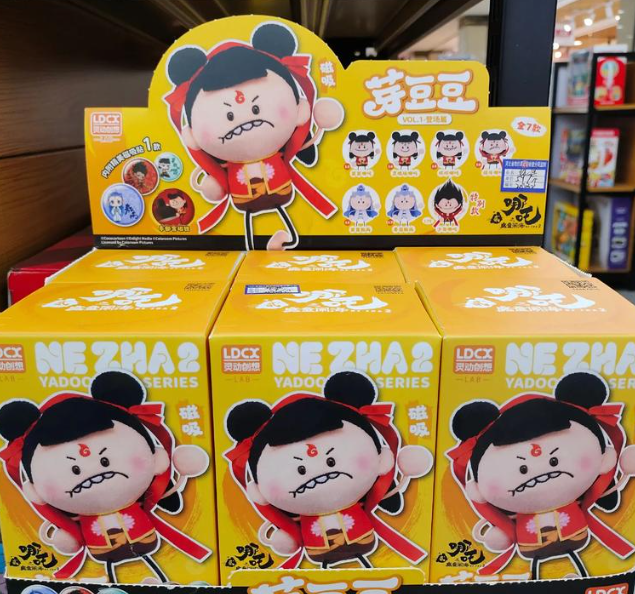
After collecting them for ages, I noticed something ridiculous: the quality of these blind box plushies is nowhere near their price tag. Regular plush keychains the same size and fabric only cost like $2–3 online shops. Slap an IP logo and blind box packaging on them, and the price jumps 4–5 times. The value for money is just terrible. A lot of people think they’re expensive because of copyright and design fees, but once I learned how the industry calculates costs, I saw straight through their sneaky pricing tricks and stopped buying blindly.
Today I’ll break down the actual production costs from years of shopping plus insider industry info. Once you read this, you’ll realize blind box plushies have absurd markups, and most buyers are just throwing money down the drain.
First let’s do a straightforward cost breakdown for the physical materials. Most blind box plush are tiny mini figures or bag charms with very little fabric used. Factory production costs are totally transparent: standard polyester cloth + regular PP cotton stuffing plus cutting and sewing labor only runs 5–8 RMB ($1–1.5) per unit.
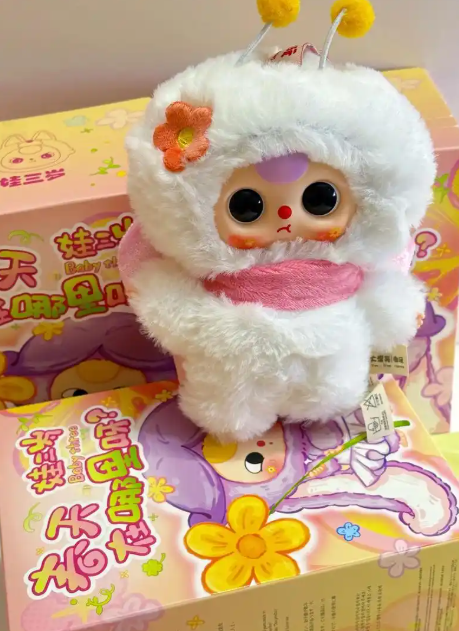
Even nicer versions with simple embroidery max out at around 15 RMB ($2.5). Many brands cut corners for mass production—they use cheap thin fabric, shoddy stitching and uneven stuffing. Shedding threads, loose seams and lumpy filling are super common issues. Something that costs barely a dollar to make gets sold for 60, 70, even 80 RMB, you can imagine how huge their profit margin is.
Some people will argue IP copyright and design fees make them pricy, but here’s the biggest scam: licensing and design fees get spread across tens of thousands of mass-produced units. Each individual plush barely carries any extra licensing cost, nowhere near enough to justify quadrupling the price. Brands just hype up IP value to distract you from how cheap the actual toy is.
The second huge money-making trick is selling excitement and mystery—this is why blind boxes offer zero value for cash. Normal plush toys let you pick exactly what you like and pay only for what you want. Blind boxes prey on your curiosity and collection obsession, almost like gambling. You never know which figure you’ll pull, so you keep buying over and over to complete a set or chase rare secret editions.
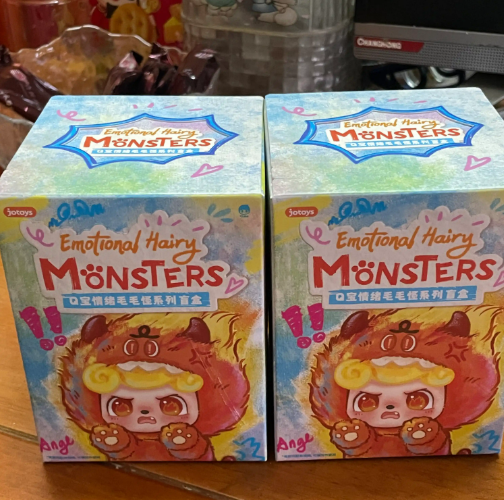
I’ve lived this firsthand. I needed all six dolls from one series and ended up buying over ten blind boxes. I wound up with piles of duplicates I had zero use for. Those repeated plushies feel cheap, serve no daily purpose and hold zero resale value—all that cash was wasted for nothing. Plain regular plush? You just grab the one you love without any pointless extra spending.
Another hidden trick almost no one notices: blind boxes basically have zero quality control or after-sales support. If a regular plush arrives with loose stitching or faded fabric, shops will swap or refund it no problem. But blind box sellers claim “random items, flaws are normal.” All slightly defective dolls with blurry prints, rough fabric or uneven stuffing get packed into boxes and sold anyway. If you pull a flawed piece, you’ll almost never get a refund, so brands save tons on QC and returns to pad their profits even more.
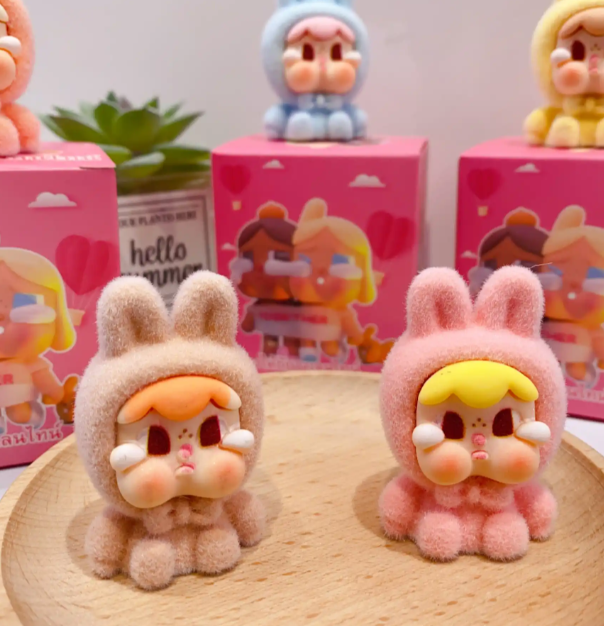
Worse, blind box plush hold almost no resale value and drop in price super fast. Lots of people think IP blind boxes will go up in value as collectibles, but that’s totally false. Aside from ultra-rare secret figures, every standard plush loses value the second you open the box. Secondhand market pages are flooded with them selling for pennies, and no one wants them. You paid a premium upfront just to watch its worth tank instantly.
I’m not saying you can never buy blind box plush entirely. Grabbing one once in a while just for fun is totally fine. But if you’re addicted to chasing full sets and keep splurging nonstop, it’s such a bad deal. Strip away the IP hype and blind box gimmicks, and their fabric and craftsmanship can’t compete with regular plush at the same price point.
After years of collecting blind boxes, I’ve learned to shop sensibly. There are tons of cute plush dolls out there—no need to overpay for marketing tricks and artificial excitement. Once you understand their real manufacturing costs and how brands jack up prices, you can shop only what you actually want and avoid wasting money on overhyped junk.
Related News
Read More >>
 Exclusive Design Models, Plush Toys Reject One-Size-Fits-All
2026-07-21
Exclusive Design Models, Plush Toys Reject One-Size-Fits-All
In the pl
 Winter Soft Treasure, Plush Toys Warm Every Moment
2026-07-17
Winter Soft Treasure, Plush Toys Warm Every Moment
The romance of wint
 Long-pile plush toys trap dirt easily – Practical cleaning hacks for moms Every parent of young kids knows exactly how it is.
2026-07-14
Long-pile plush toys trap dirt easily – Practical cleaning hacks for m
 Frequent Failures in Smart Talking Plush Toys? Insider Guide on Sound Module Selection & Pitfall Avoidance
2026-07-13
were normal wear and tear. After testing over a dozen plush toys at di