
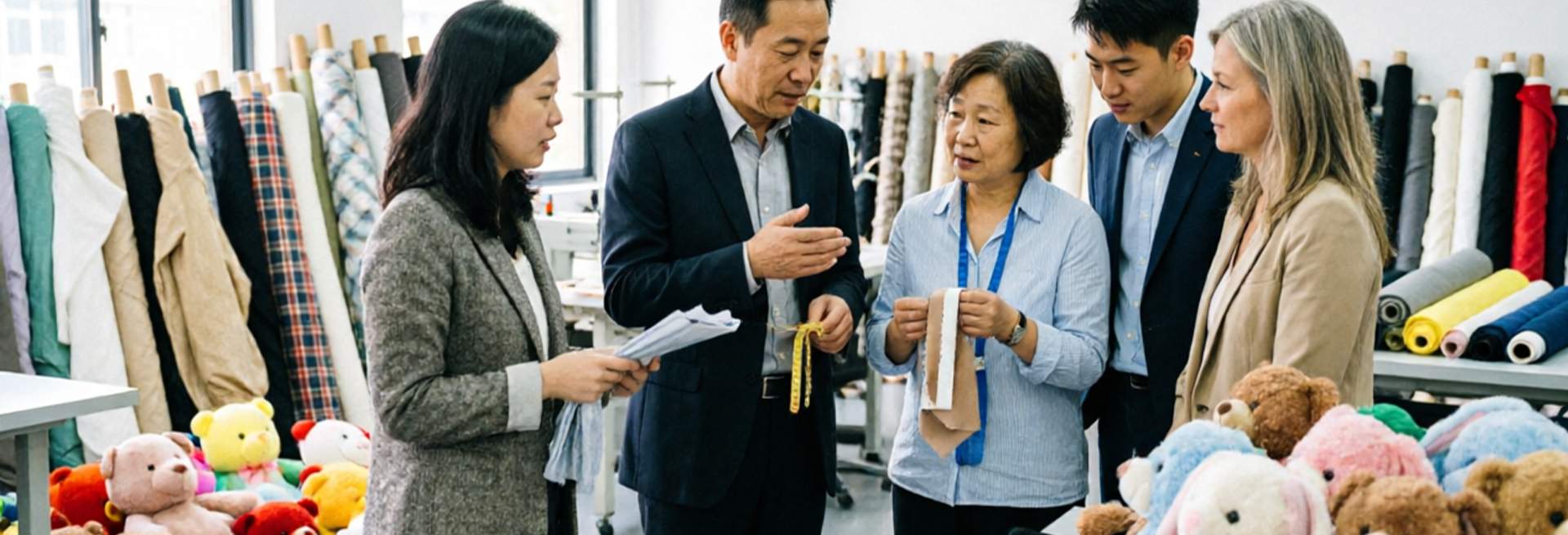
Standardized Design of Mass-produced Plush Toys – Balancing Appearance and Production Craftsmanship
Standardized Design of Mass-produced Plush Toys – Balancing Appearance and Production Craftsmanship
Different from the personalized design of niche original models, the core demand of mass-produced plush toys is “standardization, scale and high cost performance”. It is necessary to not only ensure the appearance of the product, meet the public aesthetic, but also take into account the feasibility of production craftsmanship, reduce production costs, improve production efficiency, and achieve a balance between appearance and production craftsmanship. Today, we will analyze the standardized design points of mass-produced plush toys and explore how to create products with both appearance and quality in large-scale production.
The standardized design of mass-produced plush toys first needs to clarify the two cores of “public aesthetic” and “production feasibility”, and design products that can not only meet the public’s preferences, but also adapt to assembly line production, avoiding overly complex shapes and craftsmanship, and ensuring the stability of production efficiency and product quality.
The standardization of version design is the foundation of mass-produced design. The version should adopt simple and general shapes, preferring animal and character prototypes loved by the public, such as bears, rabbits, cats, cartoon characters, etc. The shape lines are smooth and the contours are rounded, avoiding complex irregular shapes and too many details, which is convenient for machine cutting and sewing. At the same time, the version needs to be standardized, determining fixed proportions and sizes, such as the ratio of head to body, the length of limbs, the overall size, etc., ensuring that the shape of each batch of products is consistent without deviation, and realizing standardized production.
In addition, the version design needs to take into account the “feasibility of production craftsmanship”, avoiding designing overly complex details, such as too many splices, complex embroidery, small decorations, etc. These details will increase production difficulty, reduce production efficiency, and increase production costs. For example, a mass-produced bear doll adopts a simple and rounded shape, the head, torso and limbs adopt simple splicing, no redundant details, which is convenient for machine cutting and sewing, and at the same time ensures the cuteness of the shape, meeting the public aesthetic.
The standardization of fabrics and filling materials is the key to ensuring the stability of product quality. Mass-produced plush toys need to select cost-effective, durable and easy-to-produce fabrics, such as conventional ultra-soft short plush and chemical fiber velvet. These fabrics are soft, moderately priced, not easy to shed hair and pilling, suitable for large-scale production; at the same time, the color, thickness and density of the fabrics need to be standardized to ensure that the quality of each batch of fabrics is consistent, avoiding problems such as color difference and uneven thickness.
Standardized high-resilience PP cotton is selected as the filling material, and fixed filling amount and filling standards are determined to ensure that each doll is filled evenly, no agglomeration or collapse, and the hand feel is consistent. At the same time, the production difficulty of the filling link is reduced, and the production efficiency is improved. In addition, the fabrics and filling materials need to meet national safety standards to ensure the safety of the product, suitable for children to use.
The standardization of craftsmanship is the core of realizing large-scale production. Mass-produced plush toys prefer machine production craftsmanship, such as machine cutting, machine sewing, machine embroidery, etc., replacing complex manual craftsmanship, improving production efficiency and reducing production costs. At the same time, formulate standardized production processes and craftsmanship specifications, such as cutting error range, sewing stitch spacing, embroidery line standards, etc., ensuring that the craftsmanship of each batch of products is consistent and the quality is stable.
For example, in the sewing process, a combination of machine overlock stitch and hidden stitch is adopted, with a stitch spacing of 0.5-0.8cm, ensuring firm sewing, and at the same time making the stitches as hidden as possible to improve the product appearance; in the embroidery process, machine embroidery is adopted
 French Lazy Plush Toy Design: Relaxed Shape Suitable for Soft Decoration Matching
Trendy Street-Style Plush Toy Design: Integrating Print Elements with Soft Plush Texture
French Lazy Plush Toy Design: Relaxed Shape Suitable for Soft Decoration Matching
Trendy Street-Style Plush Toy Design: Integrating Print Elements with Soft Plush Texture
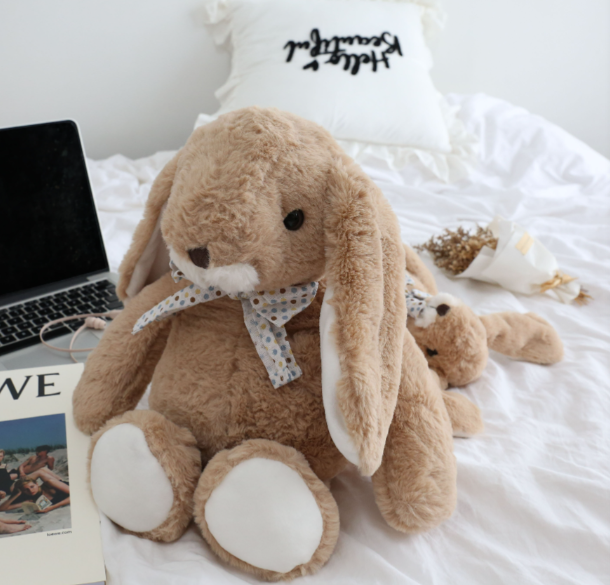 Artistic Niche Plush Toy Design: Creating Differentiation with Unique Shapes
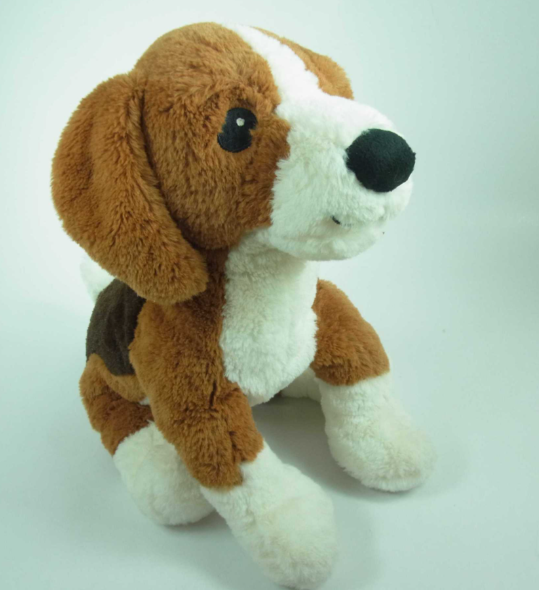 Design of Handmade Craftsmanship Plush Dolls – Sewing Craftsmanship Endows Dolls with Temperature